
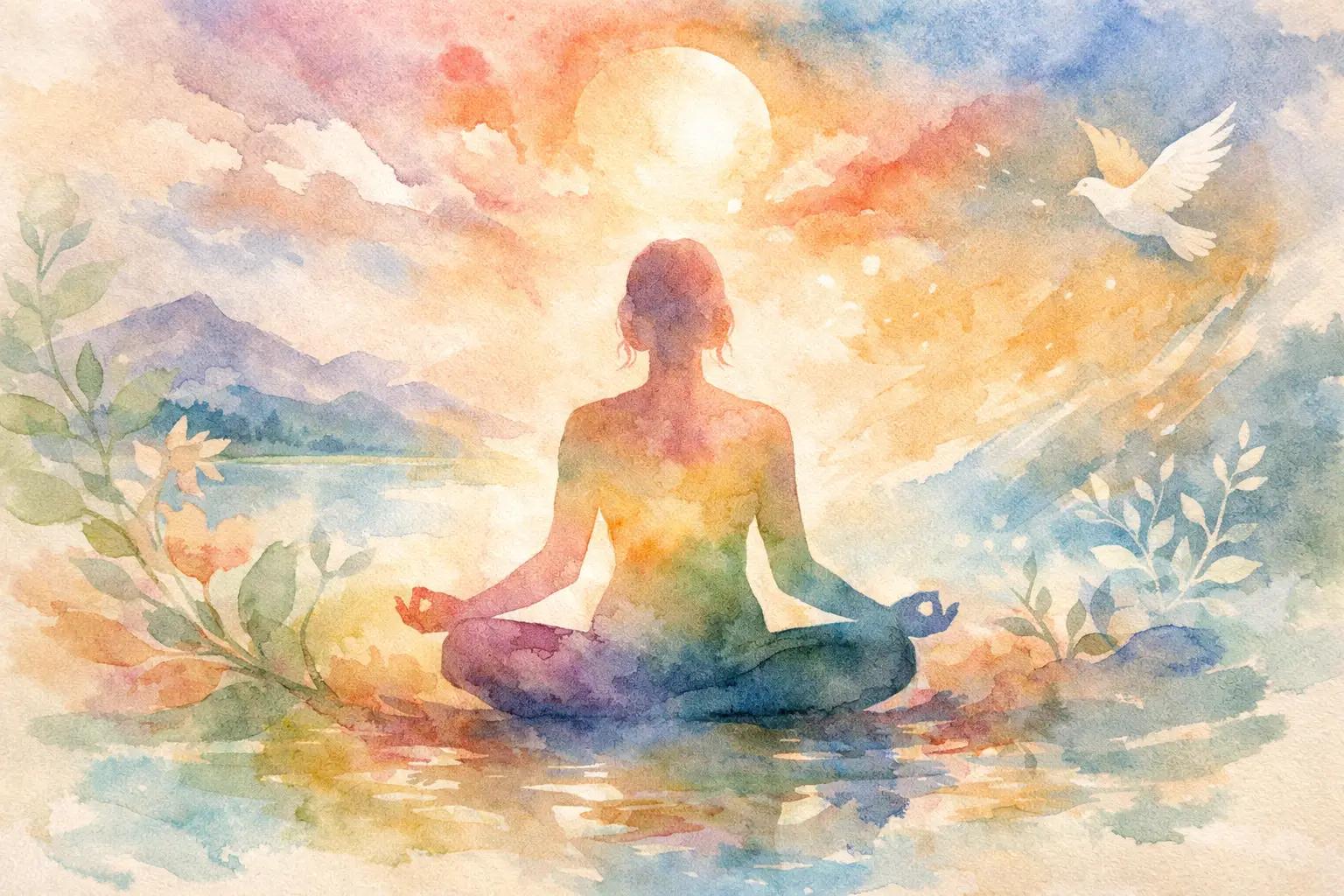
There comes a point when another cup of coffee, another productivity hack, or another promise to rest this weekend stops helping. You may still be getting through your days, but underneath the surface, your body feels tight, your mind feels noisy, and your spirit feels far away. That is often where mind-body-spirit wellness begins – not as a trend, but as a quiet recognition that you need care for your whole self.
For many people, stress does not stay in one lane. It shows up as shallow breathing, restless sleep, irritability, brain fog, muscle tension, and a strange sense of disconnection that is hard to explain. You may feel functional and depleted at the same time. When that happens, it makes sense that healing would need to be more complete than a single appointment or a single solution.
What mind-body-spirit wellness really means
Mind-body-spirit wellness is a whole-person approach to well-being. It honors the way your thoughts, emotions, physical state, energy, and sense of meaning all affect one another. Instead of separating stress into neat categories, it recognizes that overwhelm can live in the nervous system, in the muscles, in emotional patterns, and in the deeper feeling that you have lost touch with yourself.
This does not mean every hard moment has a spiritual cause, or that every physical symptom can be solved with mindset work alone. It means your experience is layered. A tense body can make the mind feel less steady. A chronically overactive mind can keep the body from fully relaxing. Emotional exhaustion can leave you feeling spiritually flat, even when life looks fine from the outside.
That is why holistic care can feel so relieving. It gives you permission to stop forcing your needs into one category. You are not just a stressed mind. You are not just a tired body. You are a whole person asking for a deeper kind of support.
Why this approach matters when stress is chronic
Short bursts of stress are part of life. Ongoing stress is different. It can shift your baseline until tension starts to feel normal. You may not even realize how much effort it is taking to get through the day until you finally exhale in a safe space.
When stress becomes chronic, people often try to fix only the loudest symptom. Maybe it is neck pain. Maybe it is insomnia. Maybe it is anxiety that seems to appear out of nowhere. Symptom-specific care can absolutely help, and sometimes it is the right first step. But if the deeper issue is nervous system overload, fragmented rest, or emotional depletion, symptom-only care may not feel complete.
A mind-body-spirit wellness approach can be helpful here because it asks a fuller question: what does your system need in order to feel safe, supported, and able to recover? The answer may include physical care, emotional processing, energetic support, stillness, movement, breath, or simply a place where you do not have to hold everything together for an hour.
Healing is personal, not one-size-fits-all
One of the most comforting truths in holistic care is that there is no single right way to heal. What regulates one person may not work for another. Some people reconnect through massage and bodywork because touch helps them feel present again. Others need acupuncture, breathwork, or sound healing to quiet the internal noise. Some feel most supported by Reiki or intuitive guidance because they need space to listen inward, not just push forward.
This is where trade-offs matter. If you are deeply burned out, an intense wellness routine may feel like one more demand. Gentle, supportive care may serve you better than anything that asks you to perform healing. If you are new to holistic work, starting with a familiar modality like massage or private yoga might feel more grounding than beginning with something unfamiliar. If you already have experience with energy work, you may be ready for a more layered approach.
The point is not to try everything. The point is to notice what helps you feel more settled, more clear, and more connected to yourself.
Signs you may need whole-person support
Sometimes the clearest sign is not a diagnosis. It is the feeling that you are no longer fully here in your own life.
You may be dealing with constant fatigue even when you sleep. You may feel overstimulated by small things that never used to bother you. Your thoughts may race at night, while your body feels heavy during the day. You may notice recurring tension in the jaw, shoulders, chest, or stomach. Or maybe nothing seems dramatically wrong, but you cannot remember the last time you felt deeply calm.
Mind-body-spirit wellness can also be supportive when you are in transition. Grief, caregiving, career strain, emotional healing, and major life changes can all create wear on the system. In those seasons, care is not indulgent. It is stabilizing.
What supportive care can look like
In a nurturing, healing space, whole-person wellness is not about being told what is wrong with you. It is about being met with care. That might mean bodywork that helps release physical tension and signals the nervous system to soften. It might mean acupuncture to support regulation and restore flow. It might mean Reiki, breathwork, or sound healing that helps you come back into quiet contact with yourself.
For some people, the biggest shift is not dramatic. It is the moment they realize their shoulders have dropped, their breathing has slowed, and their thoughts are no longer spiraling. That may sound small, but when you have been running on stress for a long time, those moments matter. They create a new reference point. Your body begins to remember what ease feels like.
At Lucent Healing, this kind of care is approached as a personal journey, not a transaction. That matters because trust is part of healing. When you feel safe, seen, and supported, it becomes easier to receive the care that is already available to you.
Mind-body-spirit wellness in everyday life
Professional support can be powerful, but healing also lives in the spaces between appointments. Not in a rigid self-care checklist, but in small choices that help you feel more anchored.
This might look like taking three slower breaths before opening your laptop. It might mean stepping outside for five minutes without your phone. It might mean noticing when your body is asking for rest instead of pushing through one more task. It could be stretching before bed, choosing a quieter evening, or creating a simple ritual that marks the end of your workday.
The key is to think less about optimization and more about relationship. Are you in relationship with your body, or only asking it to perform? Are you giving your mind moments of spaciousness, or only more input? Are you tending to your spirit with anything that brings meaning, beauty, prayer, reflection, creativity, or stillness?
These questions are gentle, but they are not small. Over time, they can help you come home to yourself.
When a deeper approach makes the most sense
There are times when quick relief is enough. A single massage after a stressful week can help. Hypnotherapy can shift your mood. Breathwork can reset your energy in minutes. But if you keep circling back to the same exhaustion, the same tension, or the same emotional drain, a deeper and more integrated approach may be worth considering.
That does not mean healing has to become complicated. Often, it becomes simpler. You stop chasing random fixes and start choosing care that reflects how interconnected you really are. You begin to notice patterns. You learn what settles your system and what throws it further off balance. That awareness alone can be deeply empowering.
And if you are hesitant, that is okay too. You do not need to fully understand every modality before you begin. You only need enough curiosity to try support that feels safe, respectful, and aligned with what you need right now.
A softer way forward
Mind-body-spirit wellness is not about becoming a different person. It is about returning to the parts of yourself that stress, pressure, and exhaustion may have pushed into the background. It is about relief, yes, but also about reconnection. A steadier mind. A more settled body. A spirit that feels less dimmed by the pace of life.
If you have been carrying too much for too long, let this be a reminder that healing does not have to be harsh to be meaningful. Sometimes the most powerful thing is simply finding a place to breathe again, soften your guard, and receive care that honors all of you.
Disclaimer: This article is for informational purposes only and does not constitute medical advice. Please consult a qualified healthcare professional regarding any medical concerns. The wellness services offered at Lucent Healing are intended to support overall well-being and complement conventional healthcare.