FAQs
General FAQs
Should I eat before a session at Lucent Healing?
It’s best to avoid a heavy meal within 1 to 2 hours of your session. Light snacks and hydration are encouraged.
What if I fall asleep during my session?
That’s completely normal and a sign your body is relaxing.
Can Lucent Healing services be combined?
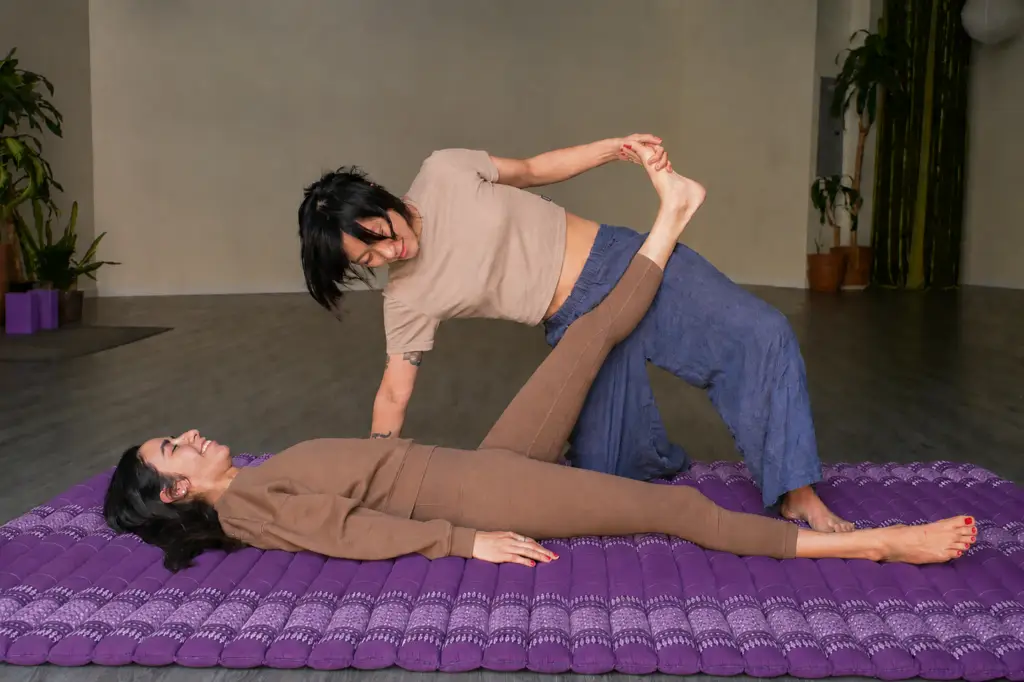
Absolutely. Many clients find integrated sessions enhance relaxation and overall healing. Feel free to reach out, and we’ll develop a customized session or plan tailored to your health needs.
Do I need to tip for Lucent Healing services?
Tipping is greatly appreciated but never required. If included, 15–25% is customary.
Massage FAQs
Massage Health & Safety
Is massage therapy safe?
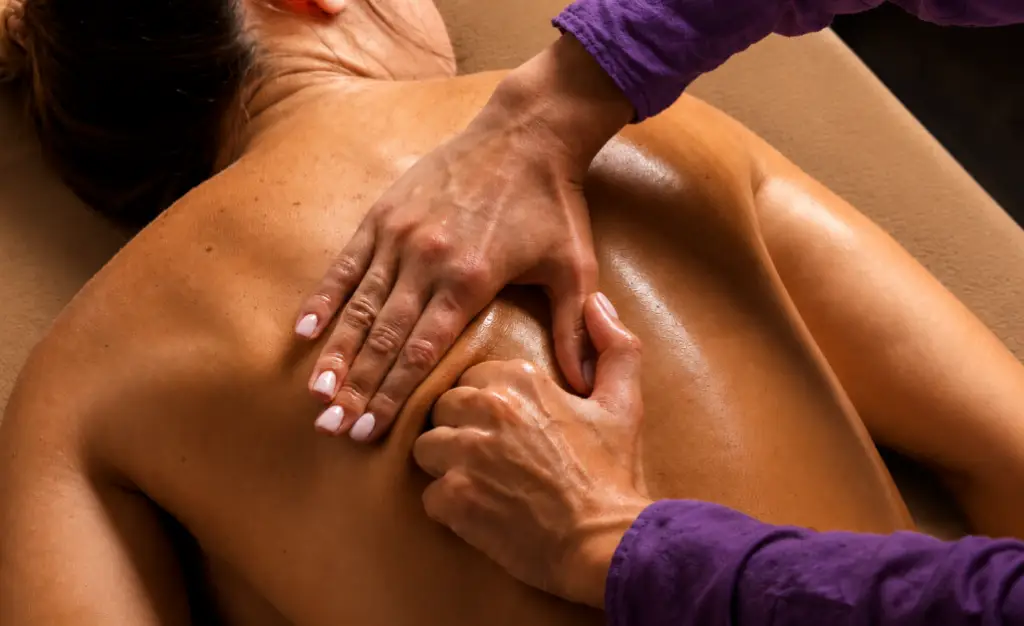
Massage is generally safe for most people. Certain conditions may require modifications or medical clearance, so always disclose health concerns on your intake form.
Can massage help with injuries or chronic pain?
Massage can be very helpful for managing pain, reducing muscle tension, and supporting recovery when incorporated into a broader care plan.
Is it safe to drink alcohol before a massage session?
No. It’s generally not safe or recommended to have alcohol before a massage because it causes dehydration, dulls pain perception (risking injury), heightens the effects of released toxins, and impairs communication with the therapist, leading to a worse experience and potential negative health impacts.
Can I get a massage if I’m pregnant?
Yes, with a trained therapist. Prenatal massage uses specialized techniques and positioning for safety and comfort. It is not recommended to receive massage during the first trimester.
Will the massage hurt?
Massage should not be painful. Some techniques may feel intense, especially for deep tissue work, but you should always communicate your comfort level.
How much pressure should I request?
Pressure is always customized. Your therapist will check in and adjust as needed.
General Massage FAQs
What should I wear to a massage session?
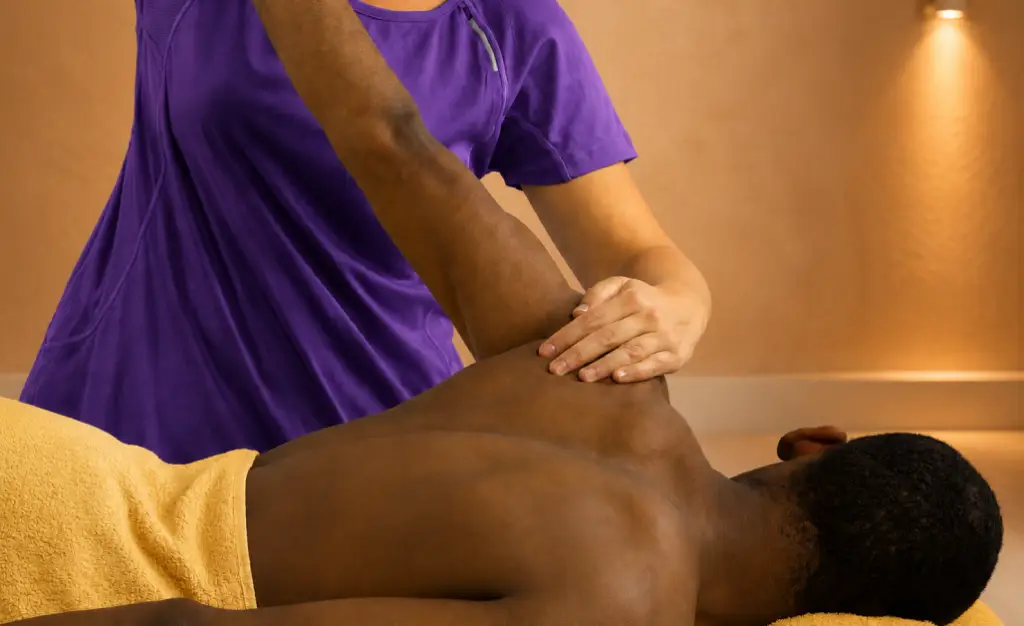
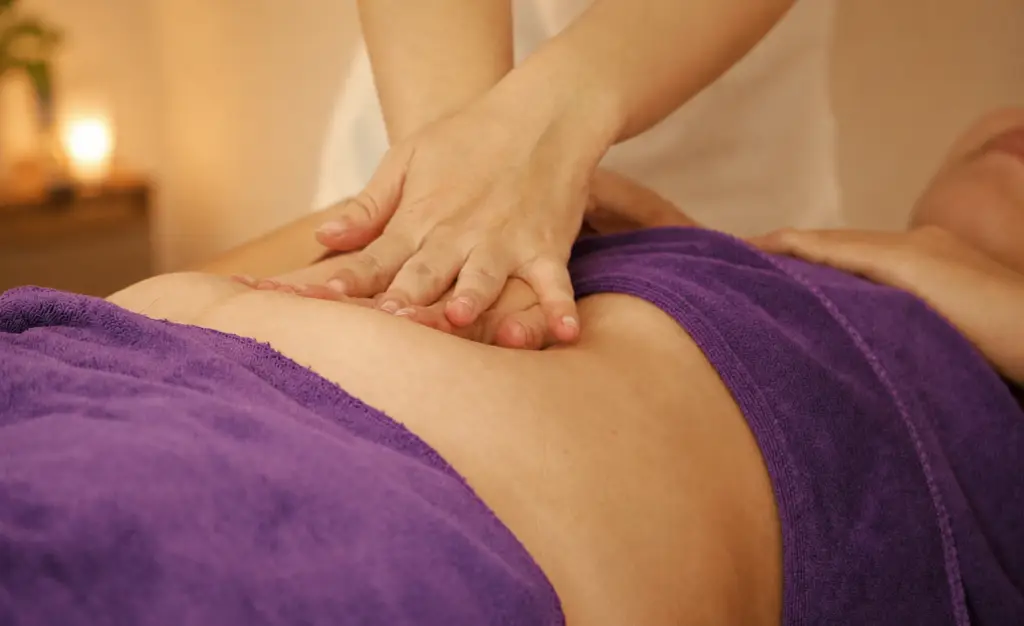
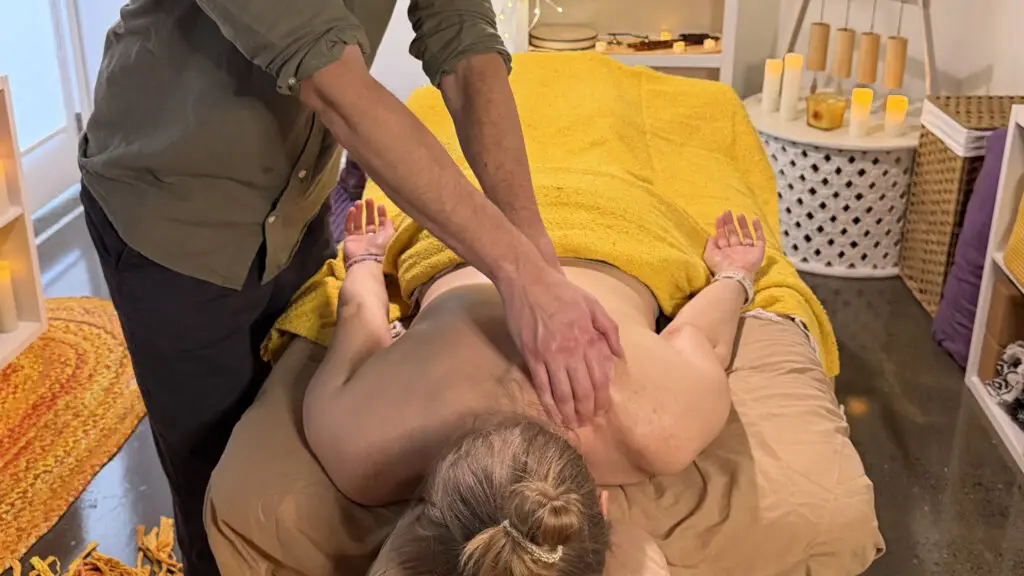
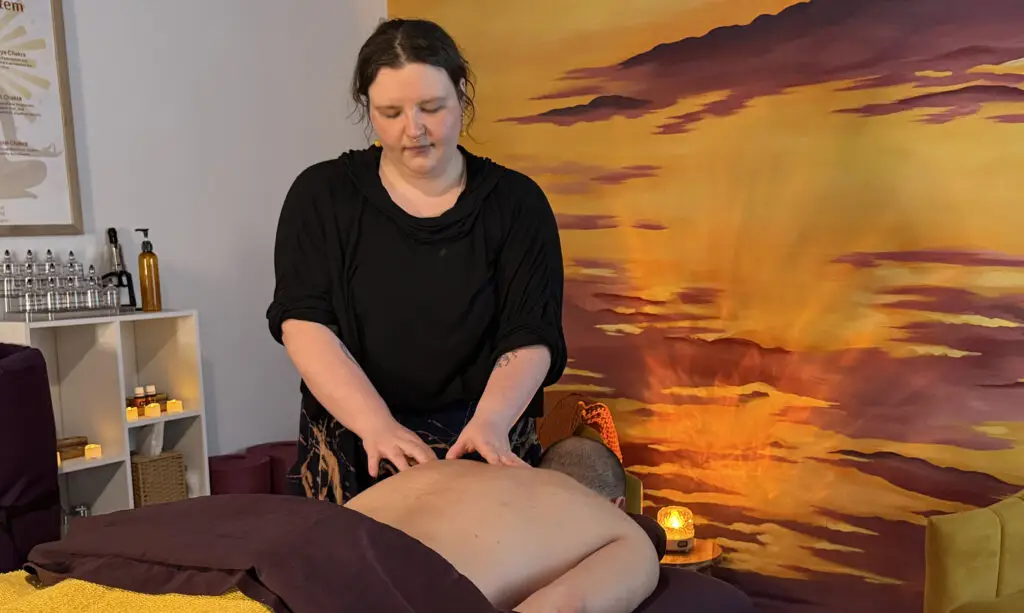
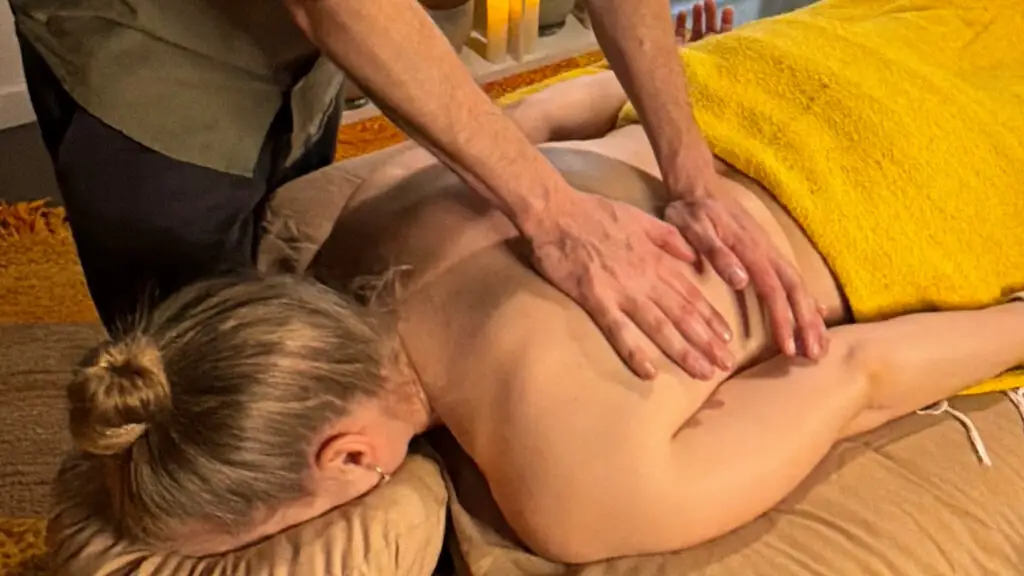
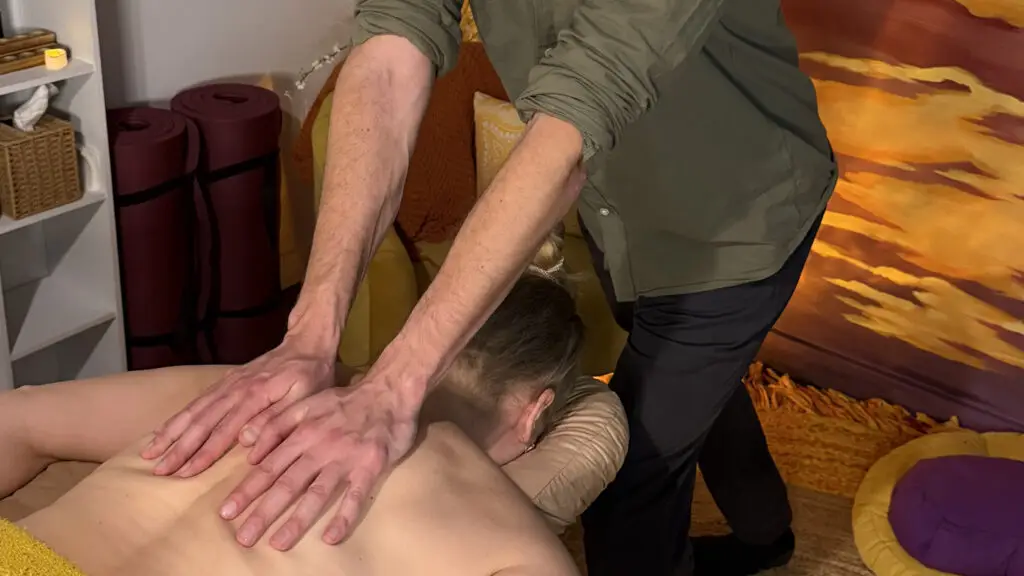
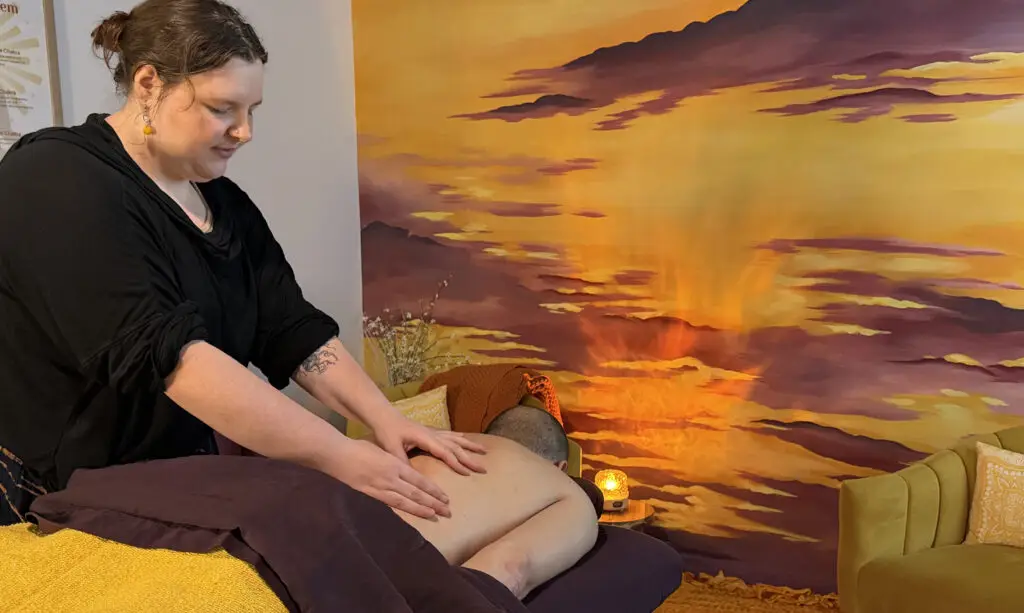
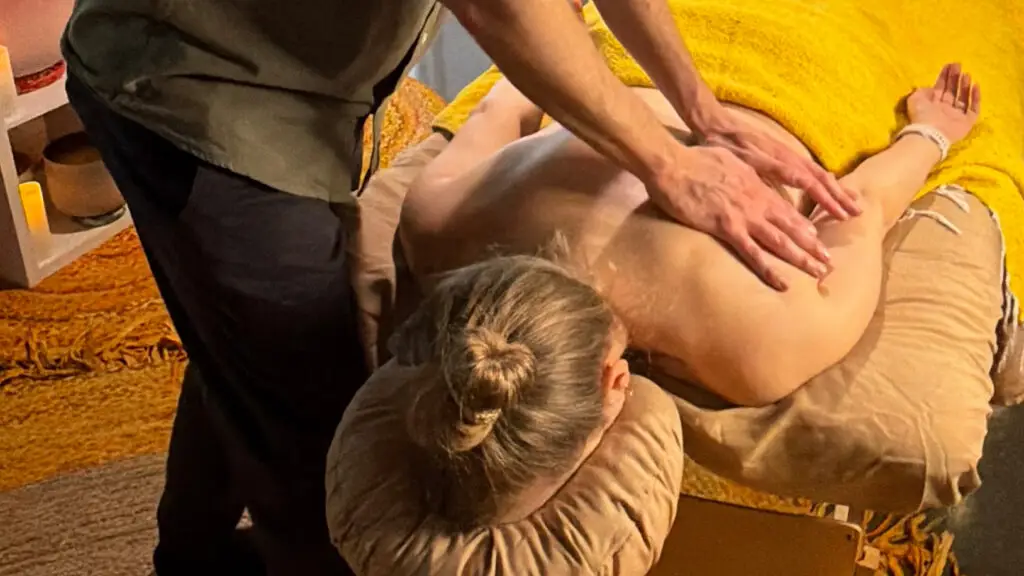
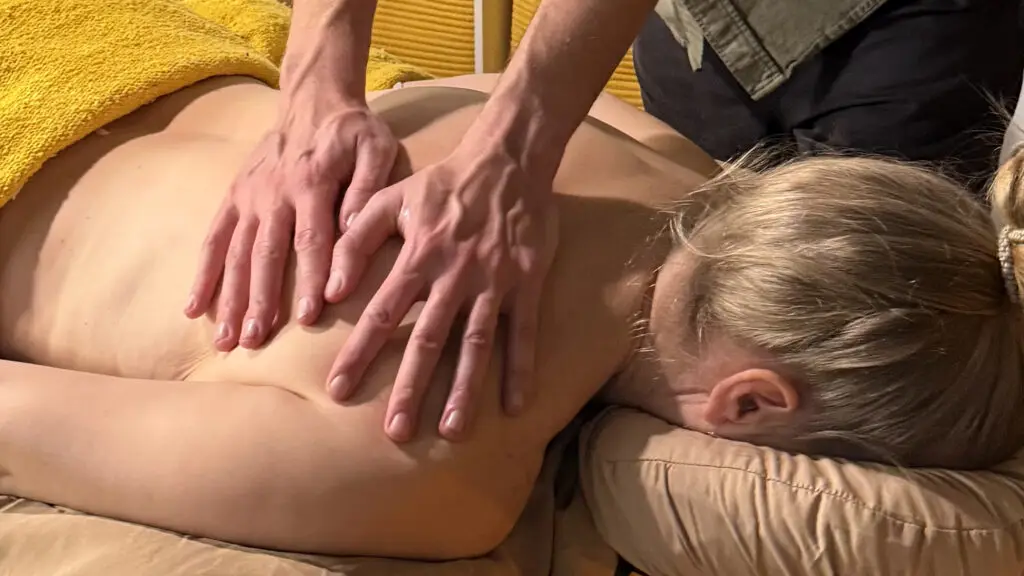
You may undress to your comfort level. You will be fully draped at all times, with only the area being worked on exposed.
Can I talk during my massage?
Yes, feel free to talk as much or as little as you’d like. Many clients choose to relax quietly, while others prefer to communicate throughout the session.
What should I do after my massage session?
Drink plenty of water, move gently, and allow time for rest if possible. Mild soreness can occur and usually resolves within a day.
How long do the benefits of a massage last?
Benefits can last days to weeks, depending on your activity level, stress, and how often you receive massage therapy.
Cupping FAQs
What is cupping therapy?
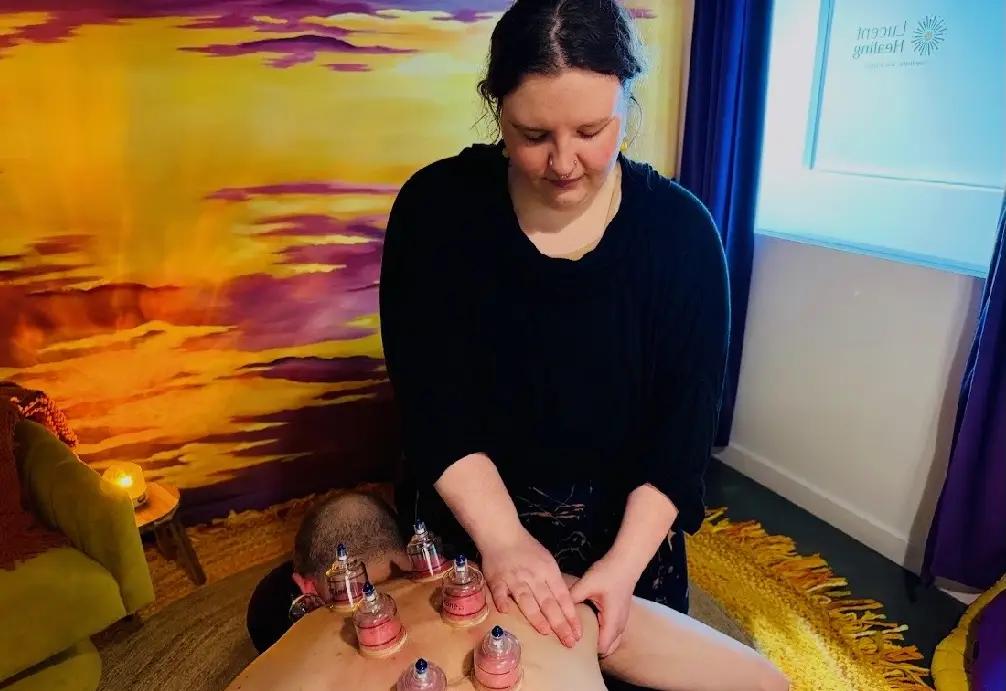
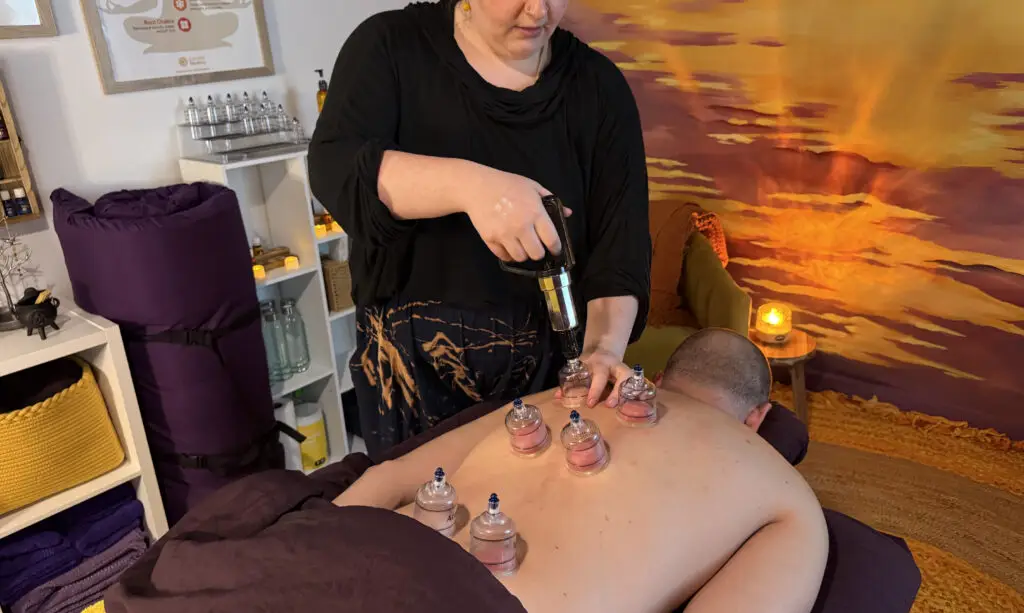
Cupping therapy is a bodywork technique that uses suction cups placed on the skin to increase circulation, release muscle tension, and support the body’s natural healing processes.
How does cupping work?
The cups create gentle suction that lifts the skin and underlying tissue. This helps bring fresh blood flow to the area, reduce stagnation, and encourage the release of tight or restricted muscles.
What does cupping feel like?
Most people describe cupping as a deep pulling or stretching sensation rather than pain. The intensity can be adjusted to your comfort level, and the sensation often becomes relaxing as the muscles release.
Will cupping leave marks?
Cupping can leave temporary circular marks that range from light pink to deep purple. These marks are not bruises and typically fade within a few days to a week.
What can cupping help with?
Cupping is commonly used to support muscle tension relief, improved mobility, chronic pain, stress reduction, and recovery from physical activity. It may also support lymphatic drainage and circulation.
Is cupping safe?
Yes, when performed by a trained practitioner, cupping is generally safe. Your therapist will review your health history to ensure cupping is appropriate for you.
Who should avoid cupping?
Cupping may not be recommended for people with certain medical conditions, skin sensitivities, bleeding disorders, or during pregnancy in certain areas. Always share your health history with your practitioner.
How long do the marks last?
Marks usually fade within 3 to 10 days, depending on your body, hydration levels, and circulation.
Does cupping hurt?
Cupping should not be painful. If you experience discomfort, your practitioner can adjust the suction or remove the cups immediately.
Can cupping be combined with massage?
Yes. Cupping is often integrated into massage sessions to enhance muscle release, improve circulation, and support deeper work without excessive pressure.
What should I do after a cupping session?
After cupping, it’s recommended to stay hydrated, keep the area warm, and avoid intense exercise or extreme temperatures for 24 hours.
Reiki/Energy Work FAQs
What is energy work?
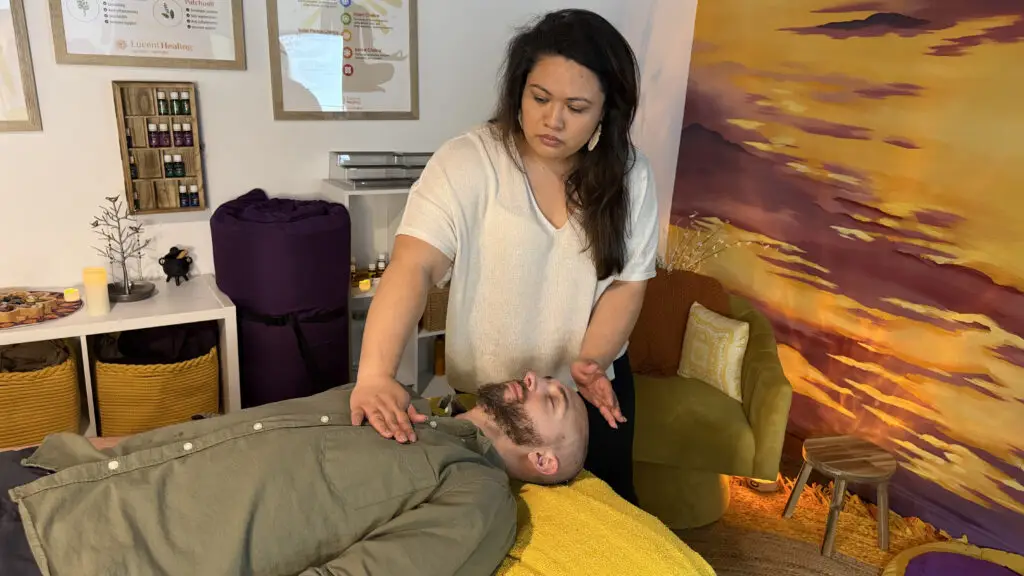
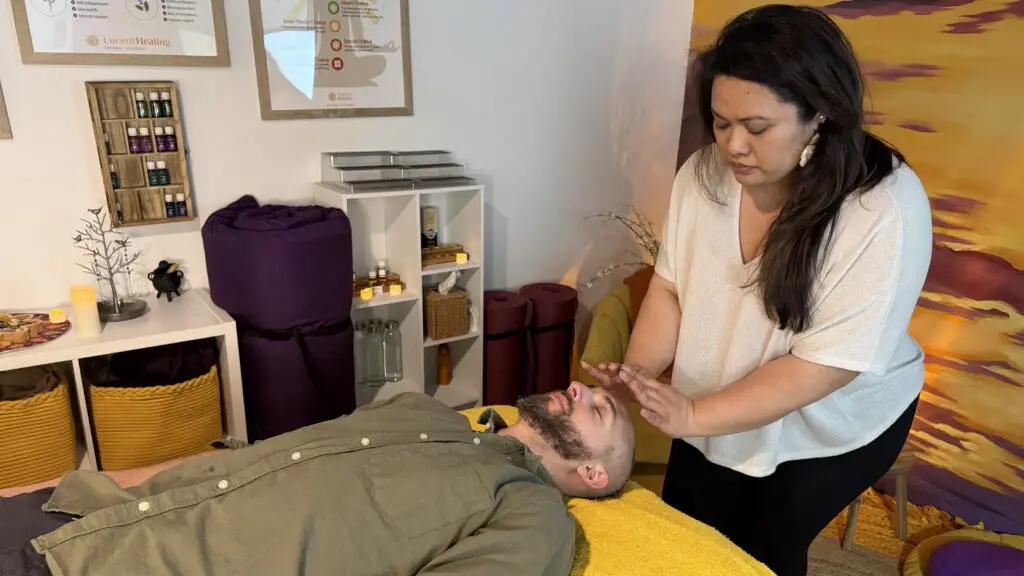
Energy work is a holistic practice that focuses on balancing and restoring the body’s natural energy systems. It’s based on the understanding that physical, emotional, and mental well-being are interconnected through subtle energy.
What happens during an energy work session?
During a session, the practitioner may use light touch, hands hovering above the body, or guided awareness to help clear energetic blockages and encourage relaxation. Sessions are gentle, calming, and deeply restorative.
Do I need to believe in energy work for it to be effective?
No belief is required. Many people experience benefits simply by relaxing and being open to the process. Energy work supports the nervous system, which can promote healing regardless of belief.
What does energy work feel like?
Experiences vary. Some people feel warmth, tingling, or a sense of lightness, while others feel deeply relaxed or emotionally released. It’s also normal to feel subtle or simply peaceful effects.
What can energy work help with?
Energy work may support stress reduction, emotional balance, improved sleep, mental clarity, and a greater sense of well-being. It’s often used as a complementary practice alongside other wellness or therapeutic modalities.
Is energy work safe?
Yes, energy work is non-invasive and generally safe for people of all ages. It does not involve manipulation or force and is adapted to each individual’s comfort level.
How many sessions will I need?
This depends on your goals and needs. Some people notice benefits after one session, while others prefer ongoing sessions for continued support and maintenance.
Can energy work be combined with other therapies?
Absolutely. Energy work pairs well with massage therapy, sound healing, hypnotherapy, meditation, and other wellness practices, enhancing overall relaxation and integration.
What should I do to prepare for a session?
There’s little preparation needed. Wearing comfortable clothing, staying hydrated, and arriving with an open, relaxed mindset can help you get the most from your session.
What should I expect after a session?
After a session, you may feel deeply relaxed, refreshed, or emotionally lighter. Some people notice shifts over the following days as the body continues to integrate the work.
Sound Healing FAQs
What is sound healing?
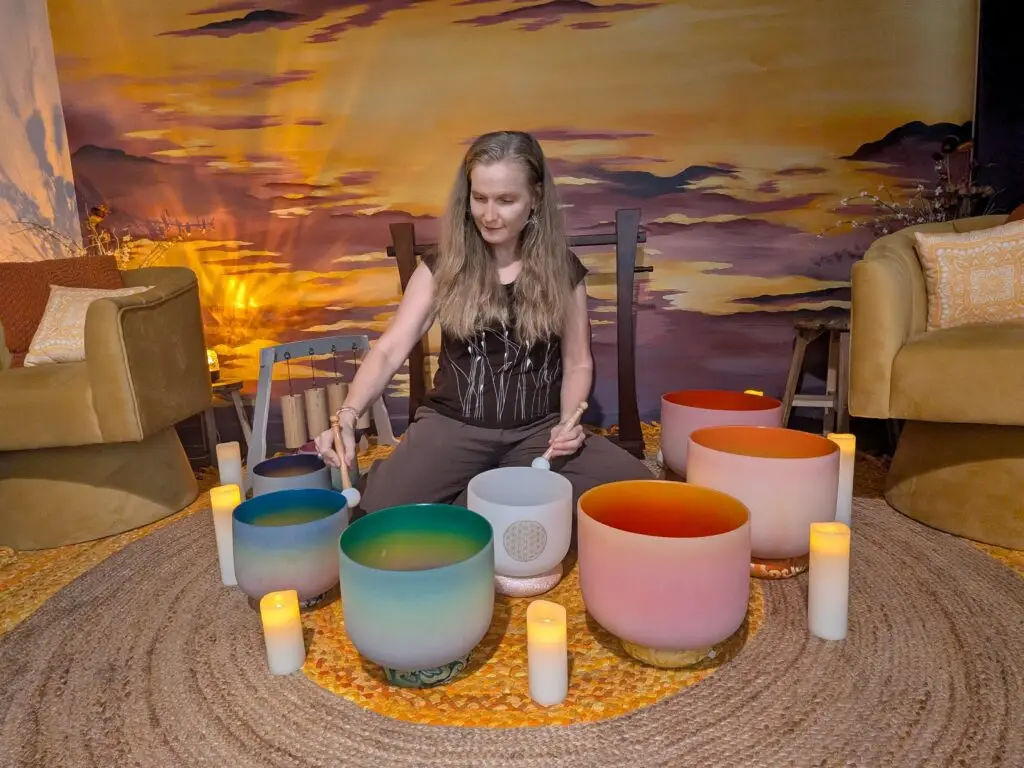
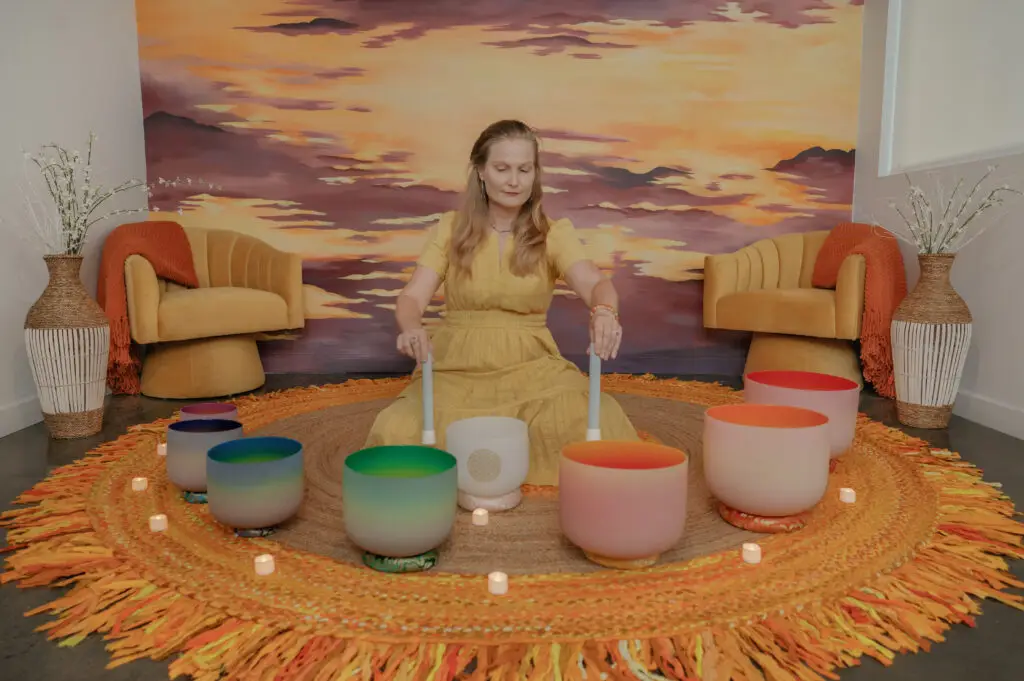
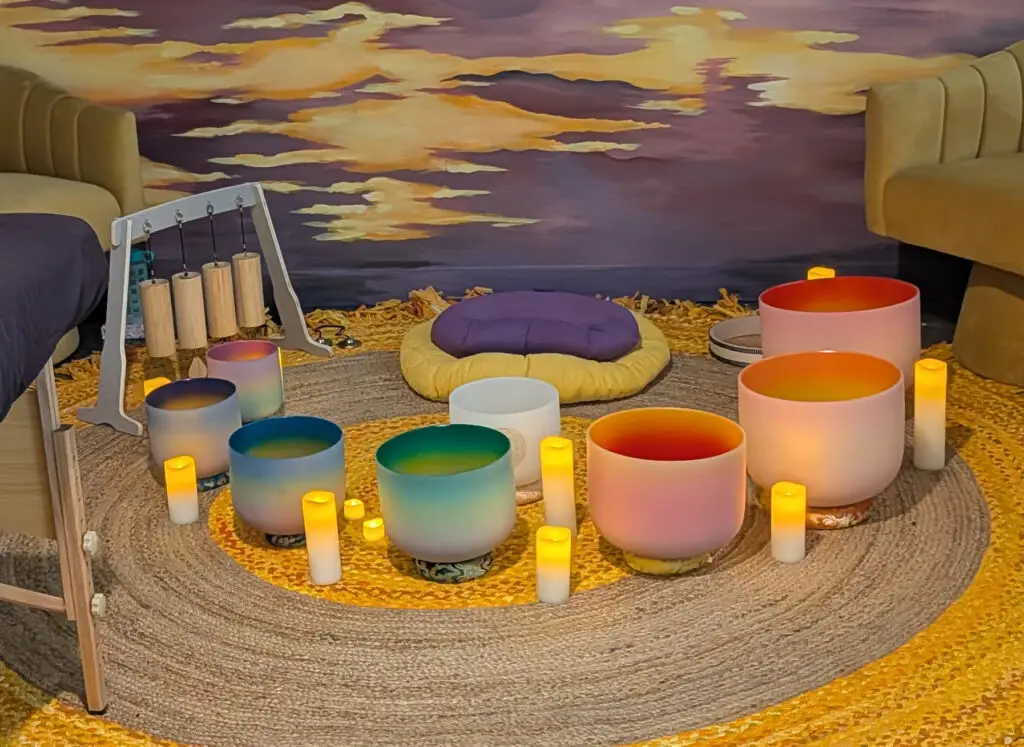
Sound healing is a therapeutic practice that uses instruments such as singing bowls, gongs, chimes, and other instruments to create frequencies that support relaxation, balance the nervous system, and promote a sense of well-being.
How does sound healing work?
Sound healing works through vibration and frequency. The sounds help guide the brain into deeply relaxed states, allowing the body to shift out of stress and into a parasympathetic (rest-and-restore) mode.
What are the benefits of sound healing?
Clients often report reduced stress and anxiety, improved sleep, emotional release, enhanced focus, and a deeper sense of calm and clarity. Some also experience relief from physical tension and energetic blockages.
What happens during a sound healing session?
You’ll lie down comfortably while the practitioner plays various instruments around and/or near you. Sessions are gentle and non-invasive, allowing you to relax and receive the sounds without effort.
Do I need prior experience with meditation or sound healing?
Not at all. Sound healing is accessible to everyone, regardless of experience. You simply relax and allow the sounds to guide the session.
What might I feel during or after a session?
Experiences vary. You may feel deeply relaxed, energized, emotional, or peaceful. Some people experience vivid imagery or insights, while others simply enjoy rest. Effects can continue unfolding for hours or days afterward.
Is sound healing safe?
Yes, sound healing is generally safe for most people. If you have sound sensitivities, epilepsy, or are pregnant, please let your practitioner know so the session can be appropriately tailored.
How often should I receive sound healing?
This depends on your goals. Some clients benefit from occasional sessions for relaxation, while others choose regular sessions for ongoing stress management, emotional support, or energetic maintenance.
What should I wear during a sound bath?
Wear loose, soft, comfortable layers like yoga pants, leggings, or sweats, plus a t-shirt and a sweater/hoodie, so you can adjust if you get warm or cool. Comfort is key for relaxing while lying down, so avoid tight clothes, noisy fabrics, and jewelry.
Can sound healing be combined with other therapies?
Yes. Sound healing pairs beautifully with massage therapy, energy work, hypnotherapy, guided meditation, and other wellness practices, enhancing their overall effects.
Hypnotherapy FAQs
What is hypnotherapy?
Hypnotherapy is a guided therapeutic process that uses deep relaxation and focused attention to access the subconscious mind, where patterns, beliefs, and habits are formed. From this state, positive change and healing can be gently supported.
Will I be unconscious or asleep?
No. You remain awake, aware, and in control throughout the session. Hypnosis is a natural state of focused awareness, similar to daydreaming or becoming absorbed in a book.
Can I be made to do something against my will?
No. Hypnotherapy does not involve loss of control. You cannot be made to do or say anything that goes against your values or desires.
What can hypnotherapy help with?
Hypnotherapy may support stress reduction, anxiety, emotional healing, habit change, confidence building, sleep issues, pain management, and personal growth. Each session is tailored to your specific goals.
What happens during a hypnotherapy session?
Your practitioner will guide you into a relaxed state using calming language and imagery. From there, therapeutic suggestions, visualization, or exploration may be used to support healing and insight.
What does hypnotherapy feel like?
Many people feel deeply relaxed, grounded, and clear. Some experience imagery or emotional release, while others simply feel calm and focused.
How many sessions will I need?
This varies depending on your intention and what you’re working on. Some people notice shifts after one session, while others benefit from a series of sessions for deeper or ongoing work.