
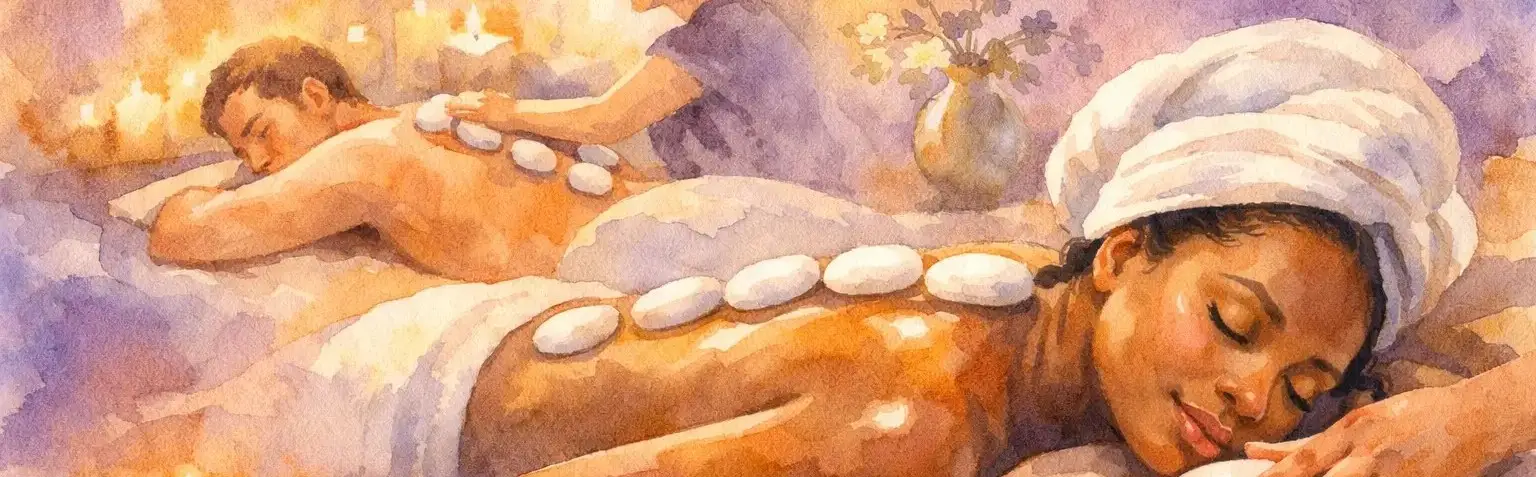
When your body feels hot, puffy, overstimulated, or simply tired of being pushed through another demanding week, warmth is not always what it needs. If you have been asking, “what is cold stone massage therapy?” it is a restorative form of bodywork that uses smooth, chilled stones to calm the tissues, settle the senses, and offer a different kind of relief.
Cold stone massage is often associated with its better-known counterpart, hot stone massage, but the experience is distinct. Rather than inviting the body to soften through heat, cool stones can create a refreshing, grounding sensation that may be especially welcome during times of inflammation, stress, overheating, or fatigue. It can be a gentle invitation to slow down and come home to yourself.
What Is Cold Stone Massage Therapy?
Cold stone massage therapy is a massage approach in which a trained practitioner places or glides chilled, smooth stones over selected areas of the body. The stones are commonly made from marble because it holds a cool temperature well. They may be used along the face, arms, legs, feet, back, or other areas where the practitioner and client agree cool therapy would feel supportive.
The stones are not meant to feel painfully cold or shocking. A skilled practitioner uses them thoughtfully, checking in about your comfort and adjusting the temperature, placement, and pressure as needed. The goal is not to make you endure discomfort. It is to create a soothing contrast that helps you feel more present in your body.
Some sessions use cold stones on their own. Others blend them with hands-on massage, warmer stones, aromatherapy, breathwork, or other calming practices. The best approach depends on what your body is carrying that day. A person dealing with feeling overheated, facial puffiness, or post-workout soreness may appreciate more cooling work, while someone who tends to feel cold, depleted, or tense may prefer a balanced combination of temperatures.
How Cold Stones May Support the Body
Cool temperatures can cause blood vessels near the skin to narrow temporarily, which may help reduce the sensation of swelling or heat in an area. For some people, cold stone work feels particularly relieving around the eyes, face, feet, or legs after a long day standing, traveling, exercising, or working at a screen.
Cold can also create a clear sensory cue. When life has been nonstop, many people feel disconnected from physical signals until they reach a breaking point. The clean, cool touch of a stone can draw attention back to the present moment. Paired with slow massage strokes and a quiet environment, it may help your nervous system shift out of constant doing and toward rest.
This does not mean cold stone massage is a treatment for medical conditions. While it may support comfort and relaxation, it should not replace medical care for injury, significant swelling, circulation concerns, or ongoing pain. Think of it as part of a broader self-care path: a space to listen to your body, not a promise to override what it is trying to tell you.
A refreshing option for stress and sensory overload
Stress does not always show up as obvious muscle tightness. It can feel like a flushed face, a buzzing mind, restless sleep, heavy legs, or the sense that you cannot get comfortable in your own skin. For people who find heat too intense when they are already overstimulated, cold stones can feel clarifying and settling.
The sensation is often described as crisp at first, then deeply calming as the body adjusts. Your massage therapist may alternate a cool stone with gentle hand massage, allowing the experience to stay regulated rather than overwhelming. This pacing matters, especially for anyone navigating burnout, chronic stress, anxiety, or a history of feeling disconnected from their body.
Support for tired muscles and post-activity recovery
After movement, long walks around the city, extended travel, or a physically demanding workweek, some people enjoy cold stone massage for its cooling effect on tired muscles. The stones can be used with slow compression and gliding strokes to help the body feel less heavy and more refreshed.
Results vary. Cold stones may feel wonderful after activity for one person and too bracing for another. Your preferences, current energy level, circulation, and sensitivity to temperature all deserve a place in the conversation. There is no correct way to receive care.
What a Cold Stone Massage Session Feels Like
A session should begin before the first stone touches your skin. Your practitioner may ask about your goals, areas of discomfort, sensitivity to cold, recent activity, health history, and the kind of support you are hoping for. You are always welcome to name what would help you feel safe, whether that means lighter pressure, quiet, more verbal check-ins, or the option to change direction at any point.
Once you are comfortably settled, the therapist may begin with traditional massage techniques to help your body acclimate. Chilled stones are then introduced gradually, often starting in a less sensitive area. They may be placed briefly in still positions or moved slowly across the muscles with oil or lotion.
You might notice an immediate cooling sensation, followed by a feeling of release or spaciousness. Some clients feel energized afterward, while others experience the deep exhale that comes when their body finally has permission to rest. Drink water, move gently, and give yourself a little room after the session if possible. You do not need to rush from a moment of restoration back into your full to-do list.
Cold Stone Massage Versus Hot Stone Massage
Both therapies use polished stones as an extension of the practitioner’s hands, but their effects can feel very different. Hot stone massage tends to be deeply warming and is often chosen for general muscle tension, stiffness, and a cocooning sense of comfort. Cold stone massage is more refreshing, cooling, and potentially helpful when you feel puffy, overheated, or sensory-saturated.
Neither is inherently better. If you are someone who often feels chilly, has low energy, or wants the soothing heaviness of warmth, hot stones may be a better fit. If you run warm, have just been active, or want to feel awakened without the intensity of deep pressure, cold stones may be the more supportive choice.
A blended session can offer both. Alternating temperatures may create a soothing contrast, but it should be introduced carefully and tailored to your comfort. Wellness is personal, and the most restorative session is one that respects the reality of your body instead of following a one-size-fits-all routine.
Who Should Use Extra Care With Cold Stone Massage?
Cold stone massage is not right for every body or every day. People with cold sensitivity, Raynaud’s phenomenon, certain circulation conditions, nerve sensitivity, uncontrolled high blood pressure, or an active injury should speak with a qualified health care professional before booking. It may also be wise to postpone cold stone work if you have a fever, open wounds, acute illness, or skin irritation in the area being treated.
Pregnancy, recent surgery, and complex health conditions do not automatically rule out massage, but they do call for clear communication and an appropriately trained practitioner. Share medications, diagnoses, and concerns without feeling that you need to minimize them. Supportive care starts with honest information.
And emotional comfort matters just as much as physical comfort. Temperature can be unexpectedly intense for some people, particularly those with trauma histories or sensory sensitivities. You can ask for a demonstration on your hand or forearm first, request that stones be used only in certain areas, or decide that another style of massage feels better. Consent is ongoing, not a one-time question at the beginning of an appointment.
Choosing a Session That Meets You Where You Are
If you are curious about cold stone massage, begin with what you want to feel afterward. Maybe you are seeking lighter legs after a long workweek, relief from the feeling of carrying too much, or an oasis from the mental heat of burnout. Naming that intention helps your practitioner shape the experience around you.
At Lucent Healing, care is meant to feel collaborative rather than prescriptive. You do not have to know the perfect modality before you arrive. A conversation about your stress level, energy, physical comfort, and goals can help identify whether cold stones, traditional massage, energy work, or another gentle practice best supports your next step.
Your body is allowed to want care that feels cooling, quiet, and uncomplicated. Let the session be a small place to breathe again, notice what softens, and carry that sense of steadiness with you when you return to the rest of your life.
Disclaimer: This article is for informational purposes only and does not constitute medical advice. Please consult a qualified healthcare professional regarding any medical concerns. The wellness services offered at Lucent Healing are intended to support overall well-being and complement conventional healthcare.