
When your body has been carrying too much for too long, stress stops feeling mental and starts feeling physical. Sleep gets lighter, your jaw stays tight, your digestion turns unpredictable, and even quiet moments can feel charged. Acupuncture for chronic stress can offer a different kind of support – one that helps the body shift out of constant alert and into a steadier, more grounded state.
For many people, chronic stress is not just about a packed calendar or a difficult week. It is the feeling of being stuck in overdrive. You may be tired and wired at the same time. You may notice headaches, muscle tension, irritability, brain fog, shallow breathing, or the sense that you can never fully exhale. Over time, this kind of stress can leave you feeling disconnected from yourself.
That is where acupuncture often feels less like a quick fix and more like a place to breathe again. Rather than pushing the body harder, it invites the nervous system to soften. It creates space for rest, regulation, and repair.
How acupuncture for chronic stress works
Acupuncture is a traditional healing practice that uses very fine needles placed at specific points on the body. While the experience is often gentle, its effects can be surprisingly deep. Many clients come in feeling scattered, tense, or depleted and leave feeling quieter inside, as if their whole system has turned the volume down.
From a modern wellness perspective, acupuncture may help support the parasympathetic nervous system – the part of the body associated with rest, digestion, and recovery. Chronic stress tends to keep us cycling in a fight-or-flight pattern. Acupuncture can help interrupt that pattern and remind the body that it is safe to let go, even if only a little at first.
That shift matters. When the nervous system gets a chance to regulate, other systems often benefit too. Sleep may feel more restorative. Muscles may release some of the tension they have been bracing with. Digestion may become more settled. Mood can feel more even. For people living with burnout or long-term overwhelm, those changes are not small.
What chronic stress can look like in the body
Not everyone experiences chronic stress the same way, which is one reason personalized care matters. For one person, it may show up as anxiety and insomnia. For another, it may look more like fatigue, body aches, hormonal shifts, or emotional numbness. Some people feel highly activated. Others feel flat, drained, or both at once.
A more holistic view of stress recognizes that the body keeps score in layers. You may notice tension in your neck and shoulders, but also feel less patient, less present, and less connected to your intuition. You may know you need rest but find it hard to actually settle. This is often the deeper frustration of chronic stress – even when life slows down, your body may not.
Acupuncture meets that reality with nuance. It is not about forcing calm. It is about creating conditions where calm becomes possible.
What a session may feel like
If you are new to acupuncture, it is natural to feel unsure. Many people worry it will be intense or uncomfortable, especially if their system already feels overloaded. In practice, sessions are often quiet, spacious, and deeply restorative.
Your practitioner will usually begin by asking about what you have been experiencing, not just physically but emotionally and energetically too. That conversation matters. Chronic stress is personal, and the treatment should reflect that. The goal is not to reduce you to a list of symptoms. It is to understand how stress is living in your body right now.
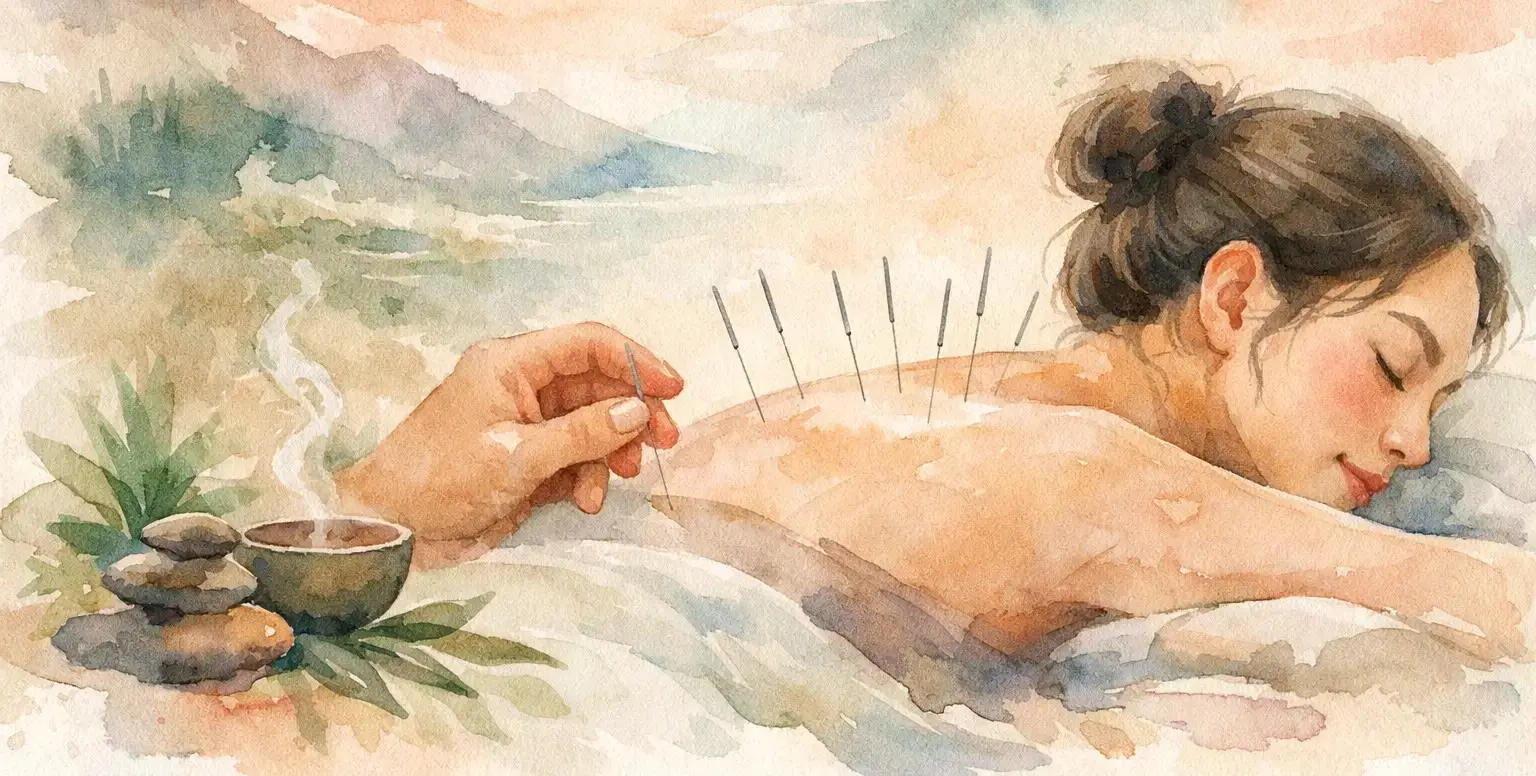
Once the needles are placed, many people feel a sense of heaviness, warmth, or spaciousness. Some drift into a half-sleep state. Some feel emotional release. Others simply notice that, for the first time in a while, they are not gripping so hard. There is no single right response. What matters is that the body is being given a chance to unwind.
The benefits of acupuncture for chronic stress
One of the most meaningful things about acupuncture is that it can support stress on more than one level at once. It may help ease physical symptoms such as headaches, jaw tension, tight shoulders, digestive discomfort, and poor sleep. At the same time, it can support emotional steadiness, mental clarity, and a greater sense of internal safety.
That does not mean every session feels dramatic. Sometimes the changes are subtle at first. You may notice you are less reactive in situations that usually spike your stress. You may sleep more deeply for a night or two. You may realize your chest feels less tight, or that your thoughts are not racing as fast. These shifts often build over time.
There is also a rhythm to healing that deserves honesty. If stress has been chronic for months or years, one appointment may feel supportive, but it may not fully reset the system. Consistency often matters more than intensity. Gentle care, repeated over time, can help the body remember a calmer baseline.
When acupuncture helps most
Acupuncture can be especially supportive when stress has started affecting your quality of life. If you are waking up exhausted, carrying constant physical tension, feeling emotionally frayed, or struggling to feel present in your own body, it may be a good time to explore this kind of care.
It can also be helpful during transitions and high-demand seasons. Many people seek acupuncture during burnout recovery, grief, career strain, caregiving periods, or after long stretches of pushing through. These are often the moments when the body needs more than motivation. It needs support.
At the same time, acupuncture is not a replacement for every kind of care. If chronic stress is tied to trauma, severe anxiety, depression, panic, or medical concerns, the most supportive path may include multiple forms of care. Therapy, medical evaluation, bodywork, breathwork, and restorative practices can all work alongside acupuncture. Holistic care is not about choosing one perfect modality. It is about creating a healing path that meets the whole person.
Why a gentle, personalized approach matters
When someone has been living in survival mode, even wellness can feel like another demand. That is why the environment and the approach matter so much. A calming space, a trauma-aware practitioner, and a pace that honors your capacity can make the difference between a treatment that feels helpful and one that feels like too much.
This is especially true for people who are sensitive, emotionally exhausted, or new to holistic care. The most effective support is not always the most intense. Often, it is the care that helps you feel safe enough to soften.
At a place like Lucent Healing, acupuncture can be part of a broader sanctuary for nervous system support. For some clients, that may mean pairing acupuncture with massage, Reiki, breathwork, or other restorative services over time. Not because more is always better, but because healing is rarely one-dimensional. Stress touches the body, the mind, and the spirit. Support can, too.
What to expect afterward
After an acupuncture session, some people feel clear and energized. Others feel sleepy, tender, or reflective. Both can be normal. Your body may continue processing for the rest of the day, which is why it often helps to move gently, hydrate, and give yourself a little extra space if you can.
You may also notice that the benefits unfold in layers. Sometimes the first thing to improve is sleep. Sometimes it is mood or muscle tension. Sometimes the biggest shift is harder to name – a feeling of being more in yourself, less scattered, more able to hear your own needs.
That quiet return to self is often what people are really seeking. Not perfection. Not a life without stress. Just a body that no longer feels like it is constantly bracing.
If chronic stress has left you feeling far from your center, acupuncture can be a gentle way back. Not all at once, and not by force, but one session at a time. Healing does not have to be harsh to be real. Sometimes it begins in a still room, with a supported breath, when your system finally realizes it does not have to hold everything alone.
Disclaimer: This article is for informational purposes only and does not constitute medical advice. Please consult a qualified healthcare professional regarding any medical concerns. The wellness services offered at Lucent Healing are intended to support overall well-being and complement conventional healthcare.