
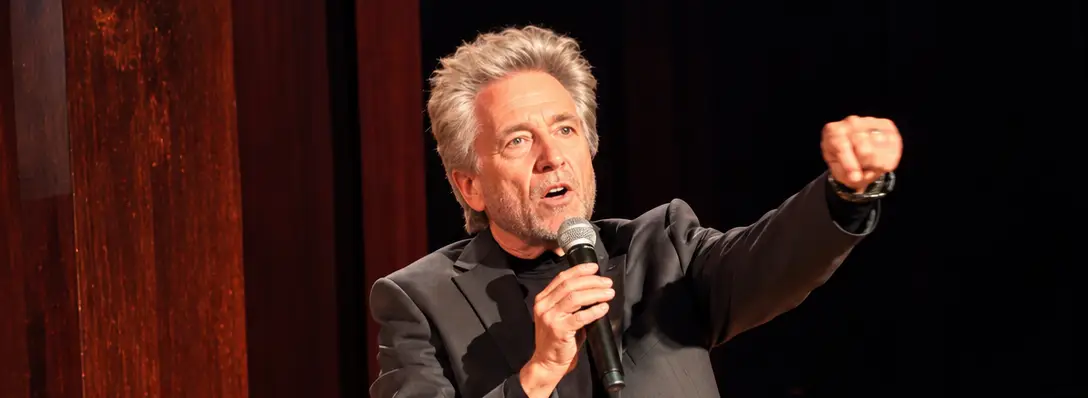
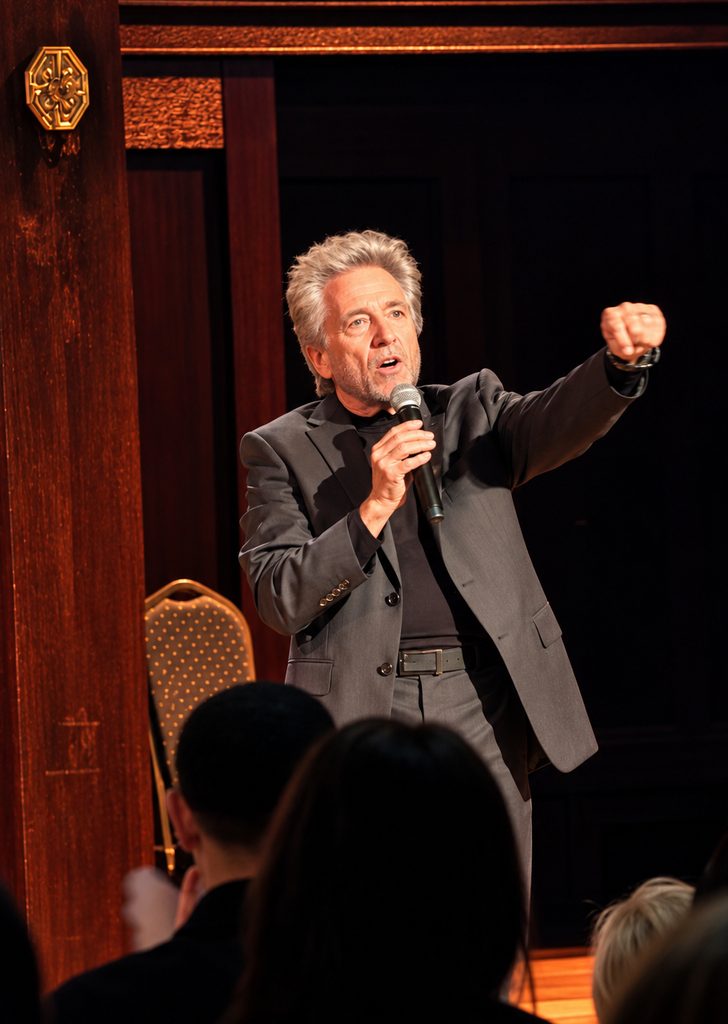
Recently, I attended Gregg Braden’s Pure Human workshop in New York City, and to put it simply: my mind was blown.
I’ve followed Gregg’s work for some time, particularly his exploration of the intersection between science, spirituality, ancient wisdom, human consciousness, and our innate capacity to heal. But spending an entire day immersed in these ideas was something else entirely.
The workshop began with a deceptively simple idea:
We live our lives based upon the way we think of ourselves… our story.
But what if the story we’ve been told about ourselves is incomplete?
That question became the thread running through the entire day.
Gregg challenged us to create a new folder in our minds labeled “Possibilities.”
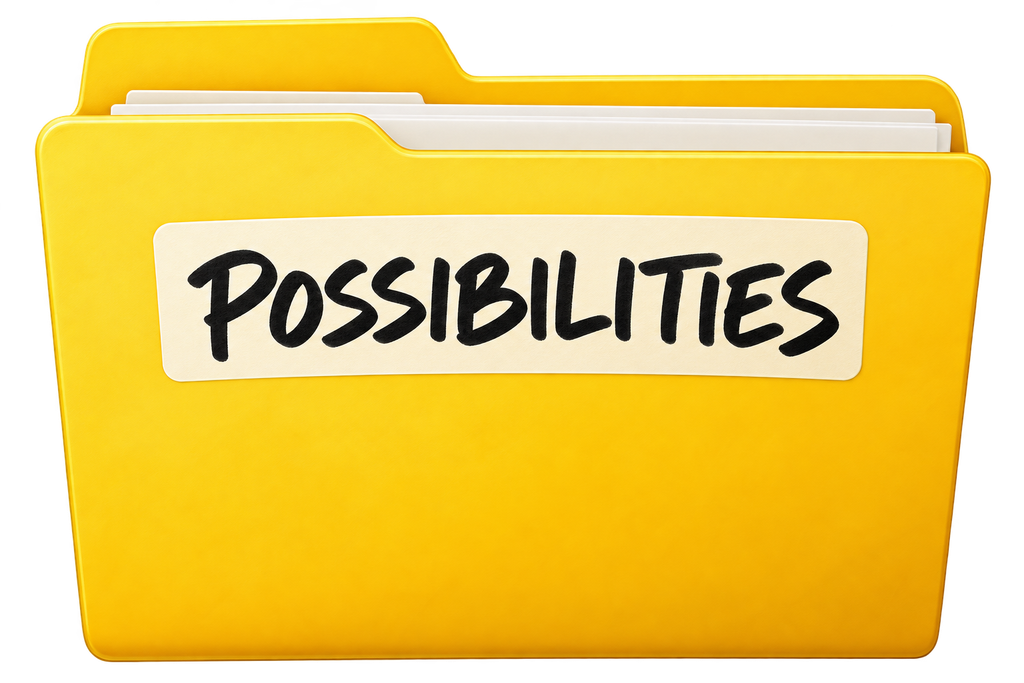
Not necessarily to blindly accept everything we heard, but to become willing to question our assumptions about who we are, where we came from, and what human beings may actually be capable of.
And that is exactly what I tried to do.
What If We’ve Forgotten Who We Are?
One of Gregg’s central themes was that something may be missing from our accepted human story.
He challenged conventional interpretations of human evolution, arguing that discoveries in genetics, archaeology, ancient texts, and emerging technologies warrant a fresh examination of our origins.
But his larger question fascinated me:
What if we have underestimated what it means to be human?
Across cultures, religions, and spiritual traditions, Gregg pointed to a recurring theme: humanity has forgotten who we are.
Perhaps, he suggested, entering this dense material world causes us to forget something fundamental about ourselves.
And perhaps remembering is part of why we’re here.
New technologies are also allowing researchers to see things that previous generations simply could not. Multispectral imaging can reveal writing on ancient manuscripts that appeared unreadable, while advances in genetics allow us to extract information from ancient remains.
Isolated discoveries that once seemed unrelated can sometimes become pieces of a much larger story.
Gregg believes humans have existed in our present form for far longer than conventional timelines suggest, and he argues that some ancient civilizations may reflect chapters of human history that we have yet to fully understand.
Humanity at a Crossroads
Gregg believes we’re standing at an extraordinary moment in human history.
We are simultaneously experiencing extremes socially, economically, environmentally, emotionally, religiously, politically, and technologically. National boundaries and geopolitical power structures are shifting. Artificial intelligence is advancing at astonishing speed. Biotechnology is increasingly interacting with the human body.
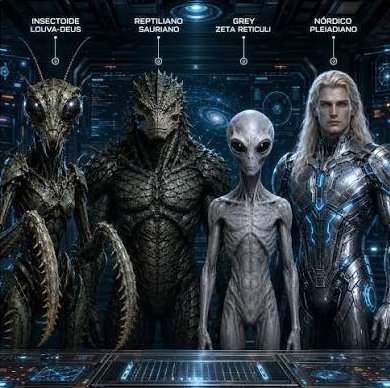
Gregg also discussed government investigations and claims surrounding extraterrestrial intelligence, including assertions about contact with nonhuman species and technology.
It’s difficult to deny the larger point:
The world is changing incredibly quickly.
Gregg described humanity as standing at a precipice. In his view, some form of global “reset” is unfolding alongside something much more personal: an opportunity for profound healing.
He connected the two.
The healing of our individual stories – our trauma, grief, beliefs, and inherited patterns – cannot necessarily be separated from what is happening collectively.
His message was that the better we know ourselves, the less frightened we become by the extremes around us.
And perhaps even more importantly:
The better we know ourselves, the less frightened we become of our own power.
The Bridging Generation
One idea particularly stayed with me: we are the bridging generation.
We have one foot in the world that existed before the digital revolution and another in a rapidly emerging world of AI, biotechnology, automation, and human-machine integration.
Things aren’t simply going back to the way they were.
We lost a great deal during and after the pandemic – not only lives, but connection, trust, stability, routines, and, in some ways, our relationship with one another.
Now we’re trying to navigate the world that exists while simultaneously building whatever comes next.
Gregg warned about allowing technology to replace natural human capacities rather than support them.
He believes the next several years will bring increasing pressure toward integrating technology directly into the human body, including brain-computer interfaces and other implanted technologies.
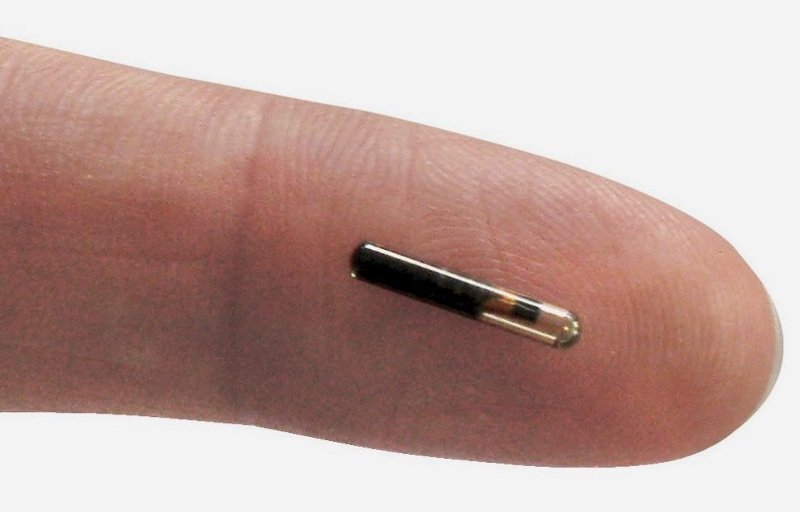
His concern wasn’t simply technology itself.
It was the thinking, morality, and power structures behind how technology is used.
If we outsource enough of our biological and cognitive abilities, he argued, those capacities can weaken.
His warning was essentially the familiar biological principle of “use it or lose it.”
This became especially relevant in his discussion of chronic AI use.
AI is incredibly powerful. But Gregg emphasized that human beings shouldn’t confuse computational speed with the totality of human intelligence.
We aren’t machines.
In his terminology, we are an extraordinary form of “soft technology.”
Every cell produces and responds to electrical activity. Cells receive, process, store, and transmit information. Our blood contains iron. DNA carries extraordinary quantities of biological information. And unlike silicon technology, living systems adapt, reorganize, reproduce, and scale in ways machines cannot.
So what is our interface?
Gregg identified seven major influences on our biology:
- ThoughtFeeling
- Emotion
- Breath
- Focus
- Nutrition
- Movement
Five of those seven are intimately connected with our inner state.
That means our relationship with ourselves matters enormously.
You Didn’t Come Here to Hide
One of the most powerful portions of the workshop had nothing to do with ancient civilizations or technology.
It was about being human right now.
Gregg essentially reminded us:
You didn’t come into this world to hide from uncomfortable feelings.
You didn’t come here to avoid every difficult relationship.
You didn’t come here waiting for someone, or something, to rescue you.
You’re here to remember who you are.
And when we begin remembering, the stories that made us feel powerless begin losing some of their power.
That brought Gregg to a question he returned to throughout the day:
Do you love yourself enough to remember your light? Your power? The truth of your past? The healing of your story?
Different Languages, Similar Stories
One of my favorite concepts from the day involved the different languages humans use to describe essentially the same mysteries.
Some people approach them through religion.
Others are comfortable with spirituality, but without religious dogma or ritual.
Others need the language of science.
Problems arise when we become so attached to our particular vocabulary that we stop listening to anyone using different words.
Angels. Aliens. Aeons.
Biblical end-times prophecy. Mayan world ages. Sumerian cycles. Indigenous prophecies. Planetary cycles.
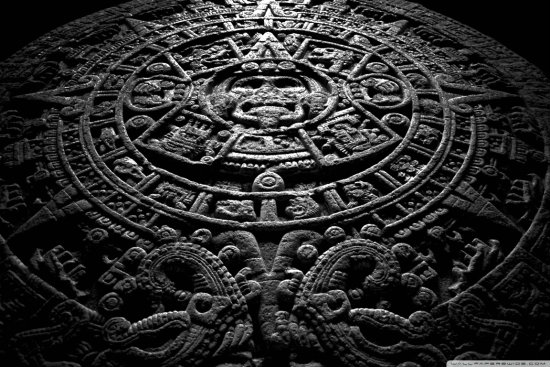
Gregg’s argument was not that these traditions are literally identical, but that he sees recurring themes running through them: humanity is more than we’ve been taught, we’ve inherited something extraordinary, we’ve forgotten something fundamental, and periods of great change can trigger an awakening.
We can become so hung up on terminology that language divides us instead of helping us recognize the common questions underneath it.
Who are we?
Why are we here?
What are we capable of?
The Gnostic Texts: An Ancient Instruction Manual?
This led into one of the most fascinating portions of the workshop: the ancient Gnostic writings.
The word gnosis comes from the Greek for knowledge or knowing.
A collection of ancient texts was famously discovered near Nag Hammadi, Egypt, in 1945. The discovery included 52 texts written in Coptic, among them the Gospel of Thomas and the Secret Book, or Apocryphon, of John.
For centuries, these writings had disappeared from mainstream Christianity.
Gregg described the political backdrop of the early Church, including the Roman Empire under Constantine, and how certain writings became canonical while others were excluded or condemned. He presented the surviving Gnostic writings almost as an instruction manual for something humanity had forgotten.
The Gospel of Thomas especially fascinated me.
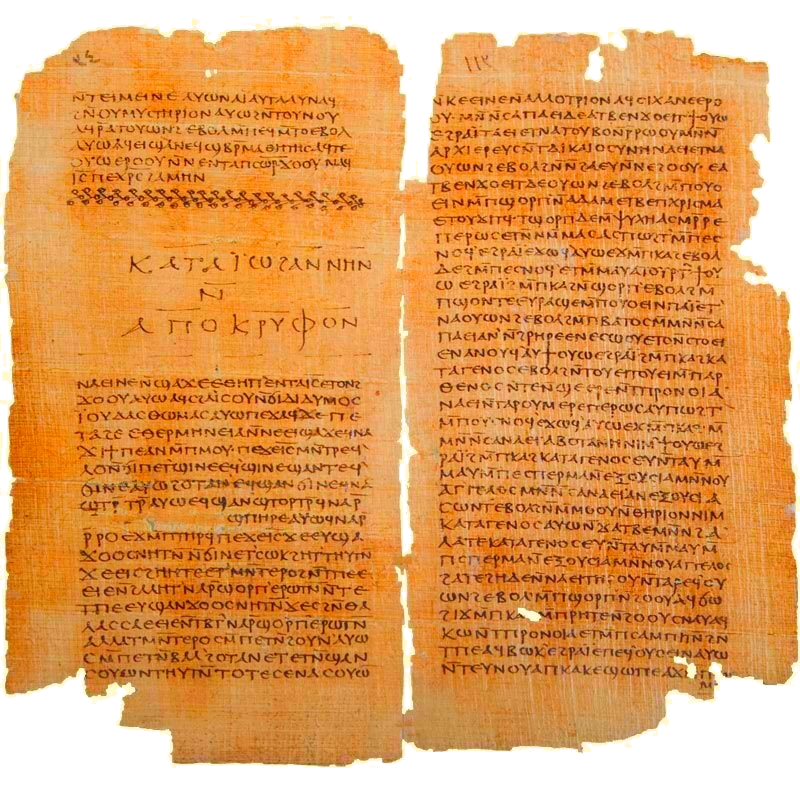
Rather than presenting a narrative of Jesus’ life, it consists largely of sayings attributed to Jesus, or Yeshua, including teachings emphasizing direct inner discovery.
One of its most provocative ideas is that the kingdom is both inside and outside of us.
Another teaching, traditionally numbered Saying 70, conveys an extraordinary message: “If you bring forth what is within you, what you have will save you…”
Gregg’s interpretation was that Gnostic spirituality did not view heaven solely as somewhere we travel after death.
It could also represent a state or frequency of consciousness – the aspect of ourselves that was never truly lost, broken, corrupted, or separated from wholeness.
“Within You Is the Light”
The Secret Book of John introduces an elaborate cosmology involving the Monad, the Pleroma, Aeons, Sophia, and the creation of the material world.
Gregg described the Monad as the One Source – the field of pure divine energy.
The Pleroma represents the fullness of that divine reality, inhabited by Aeons: emanations of Source.
Earth, in this framework, is a denser material reality.
But dense doesn’t necessarily mean bad.
Gregg emphasized something I found beautiful: perhaps there are things we can experience here that cannot be experienced in realms of pure light.
Physical existence gives us relationship, contrast, choice, sensation, challenge, forgiveness, grief, courage, healing, touch, and love expressed through action.
The Gnostic idea Gregg kept returning to was essentially:
Within you is the light of the Aeons.
His interpretation is that human beings contain a biological mechanism capable of “tuning” into something beyond ordinary material reality.
And that mechanism begins with our DNA.
DNA as an Antenna
This was where the workshop moved deeply into Gregg’s unconventional interpretation of biology.
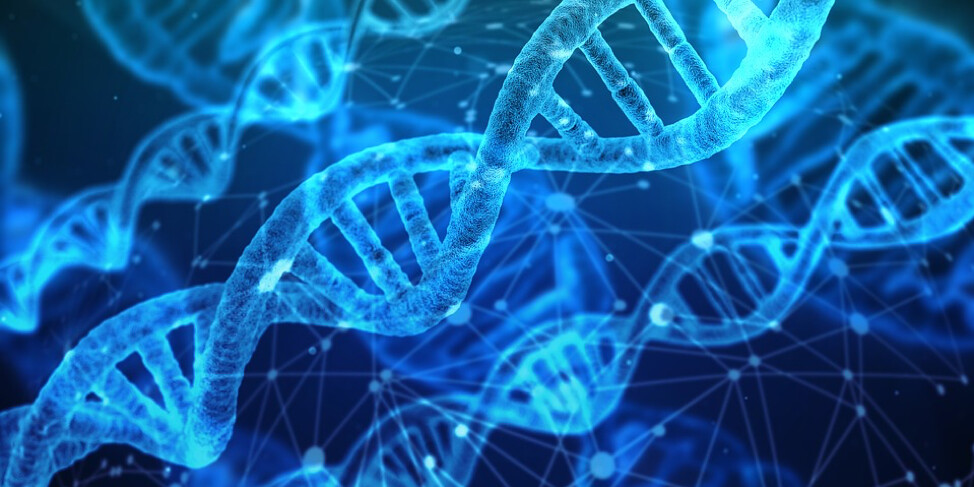
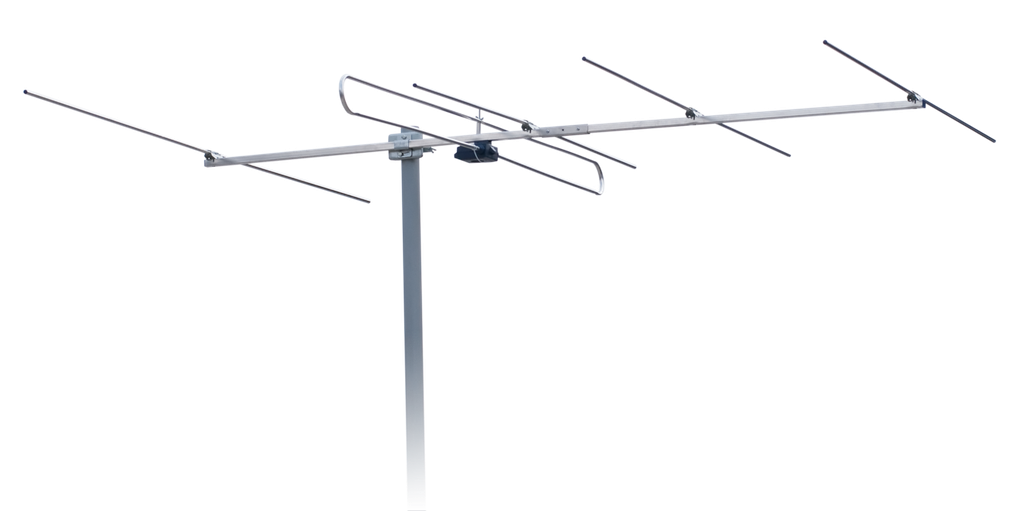
He described DNA not simply as a biochemical information-storage molecule, but as a kind of fractal antenna.
In this framework, consciousness, memory, intuition, and information may not exist exclusively inside our cells. Instead, biology could function partly as a receiver or interface with a larger informational field.
Gregg compared it to tuning a radio.
The antenna doesn’t create the broadcast.
It tunes into it.
He discussed experiments involving biological neurons interfaced with computers. One striking real-world example came in 2022, when researchers created a system commonly called DishBrain, integrating cultured human and rodent neurons with a simulated version of the video game Pong. The researchers reported that the neuronal cultures demonstrated adaptive, goal-directed activity in response to feedback.
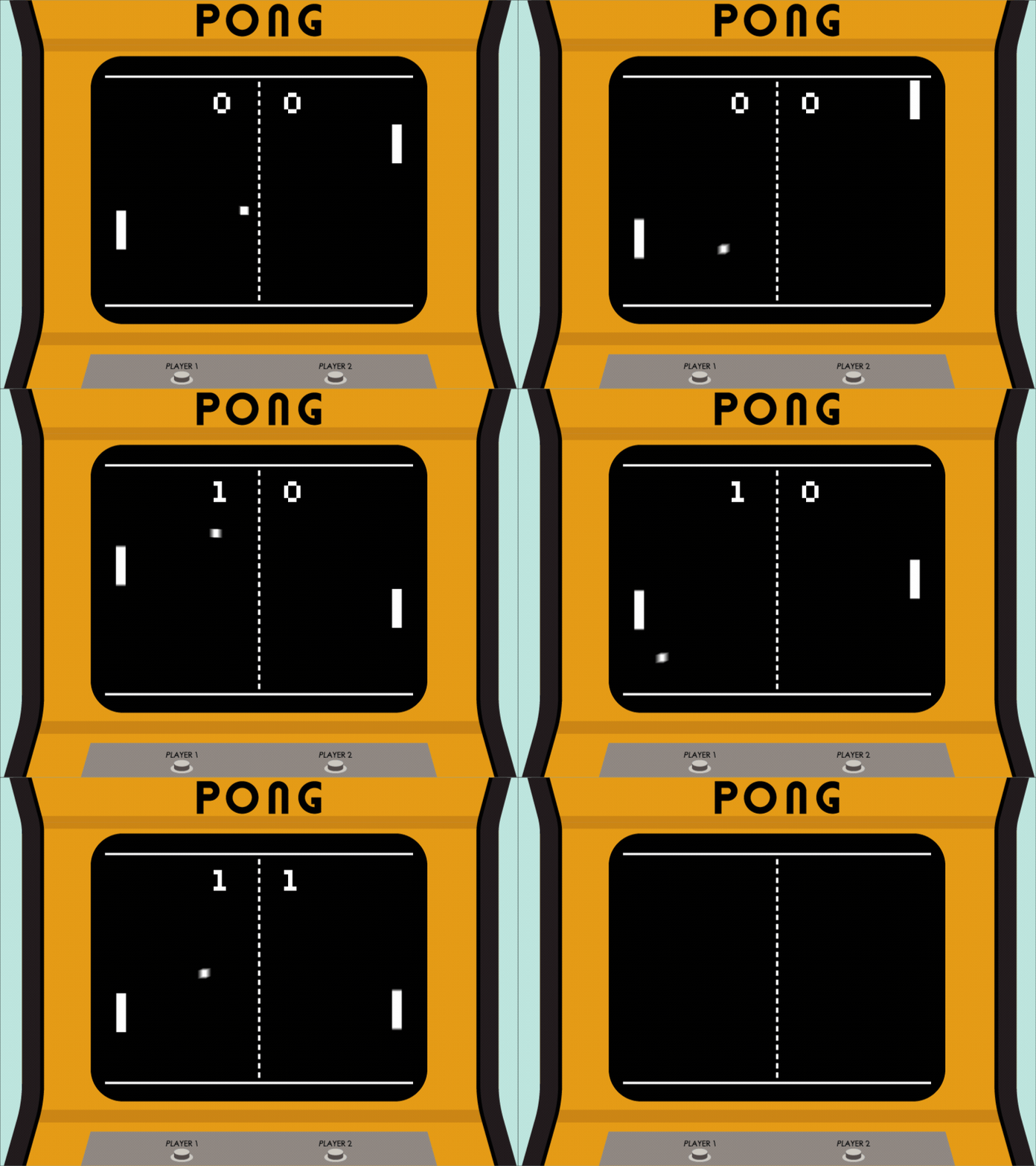
Gregg interprets findings like these through the idea of a larger informational field.
He also discussed remote viewing and Ingo Swann’s famous 1973 experiment involving Jupiter. Swann described features he interpreted as something resembling rings years before Jupiter’s faint ring system was directly detected by Voyager 1. The story was another example Gregg used to challenge assumptions about the boundaries of consciousness.
The recurring question was:
What if consciousness is bigger than the brain?
The Human Heart: More Than a Pump
This led into what was perhaps the most personally meaningful part of the day for me: the heart.
Gregg repeatedly described the heart as the key to accessing our “light.”
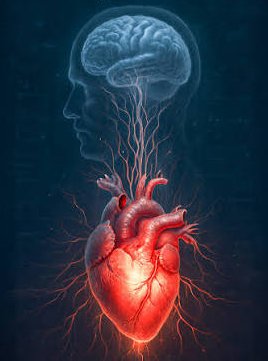
Research into the heart’s intrinsic nervous system has indeed shown that the heart contains a complex network of sensory neurons and communicates continuously with the brain. HeartMath often refers to approximately 40,000 sensory neurons involved in this communication.
Gregg took this considerably further, describing the heart as an organ capable of accessing information beyond conventional limitations of space and time.
Whether understood literally, spiritually, or metaphorically, I found the underlying message incredibly powerful:
Your heart is not merely a mechanical pump.
The workshop also touched on the fascinating biological connection between mother and child. During pregnancy, fetal cells can cross into the mother’s circulation and persist in maternal tissues for decades, a phenomenon called fetal microchimerism.
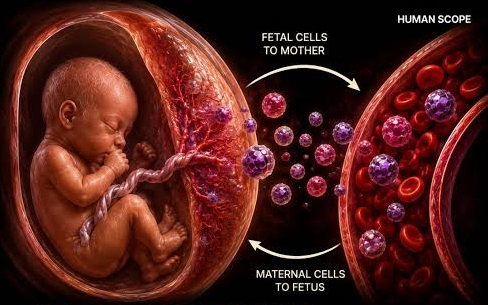
For me, even without adding any spiritual interpretation, that fact alone is extraordinary.
Our bodies carry traces of relationship.
Heart-Brain Coherence
Gregg then explored heart-brain coherence – the synchronization of physiological rhythms associated with the heart, brain, nervous system, breathing, and emotional state.
Research by the HeartMath Institute describes a coherent heart-rhythm pattern as smooth and sine-wave-like, typically centered around approximately 0.1 Hz.
Gregg used a wonderful analogy involving metronomes.
Place multiple metronomes on a rigid surface, and they can tick independently.
Place them on a movable platform, however, and their movement begins influencing one another until they can synchronize.
Change the environment, and you can change the coherence of the system.
That idea applies beautifully to human beings.
Sometimes we’re trying desperately to change ourselves while remaining inside an environment – physical, emotional, relational, or mental – that continually reinforces the old pattern.
Change the environment, and the system may begin to reorganize.
Gregg associated heart-brain coherence with greater resilience, stress regulation, immune function, memory, recall, learning, cognition, intuition, and a cascade of biochemical changes.
He also discussed heart-rate variability (HRV), which reflects variations in the timing between heartbeats. HRV generally changes with age, stress, health, fitness, breathing, and autonomic nervous-system activity, and it can be influenced through practices such as paced breathing.
But perhaps the simplest takeaway was also the most practical.
Before an important meeting, difficult conversation, or major decision:
Get coherent first.
And perhaps even more importantly, do it before having a difficult conversation with yourself.
Moving Beyond Polarity
Gregg characterized the brain as an organ highly capable of polarity:
Right or wrong.
Black or white.
This or that.
Win or lose.
The heart, in his framing, offers another way of processing experience.
When we cultivate heart-brain coherence, we may become less trapped in reactive, ego-driven thinking.
The goal isn’t necessarily finding silence.
It’s finding stillness.
That distinction stayed with me.
Our lives may never become completely silent. New York City certainly isn’t going to become silent!
Our minds won’t stop producing thoughts.
The world won’t stop presenting challenges.
But perhaps we can find stillness within all of it.
Trauma, Healing, and the Information We Carry
Gregg also connected these ideas to unresolved trauma.
Energy doesn’t simply disappear; it changes form. Experiences that haven’t been processed can continue influencing our bodies, nervous systems, behaviors, relationships, and beliefs.
Grief can even have profound physical effects on the heart. Severe emotional stress can produce real cardiac symptoms, including conditions such as stress-induced cardiomyopathy.
Gregg’s larger message was that healing requires us to stop running from what is asking to be acknowledged.
Our thoughts and beliefs also shape neural pathways through repetition. He spoke about roughly a 72-hour window of repeated practice for beginning to establish new patterns, which is another reminder that insight alone isn’t enough.
We have to practice something different.
We have to embody it.
The Secret: Human Divinity
Eventually, the entire workshop seemed to converge on one word: Divinity.
Not divinity as something distant.
Not something reserved for saints, gurus, mystics, or religious figures.
Not something we have to travel across the world to find.
Gregg defined human divinity in contemporary terms as capacities that appear to transcend what we perceive as ordinary human limitations.
He associated our divinity with:
- imagination and creativity
- innovation
- empathy, sympathy, and compassion
- love and forgiveness
- conscience
- healing
- deep intuition
- direct knowing
- our inner light
This part resonated deeply with me.
Your divinity, in Gregg’s framing, is ancient, timeless, and eternal.
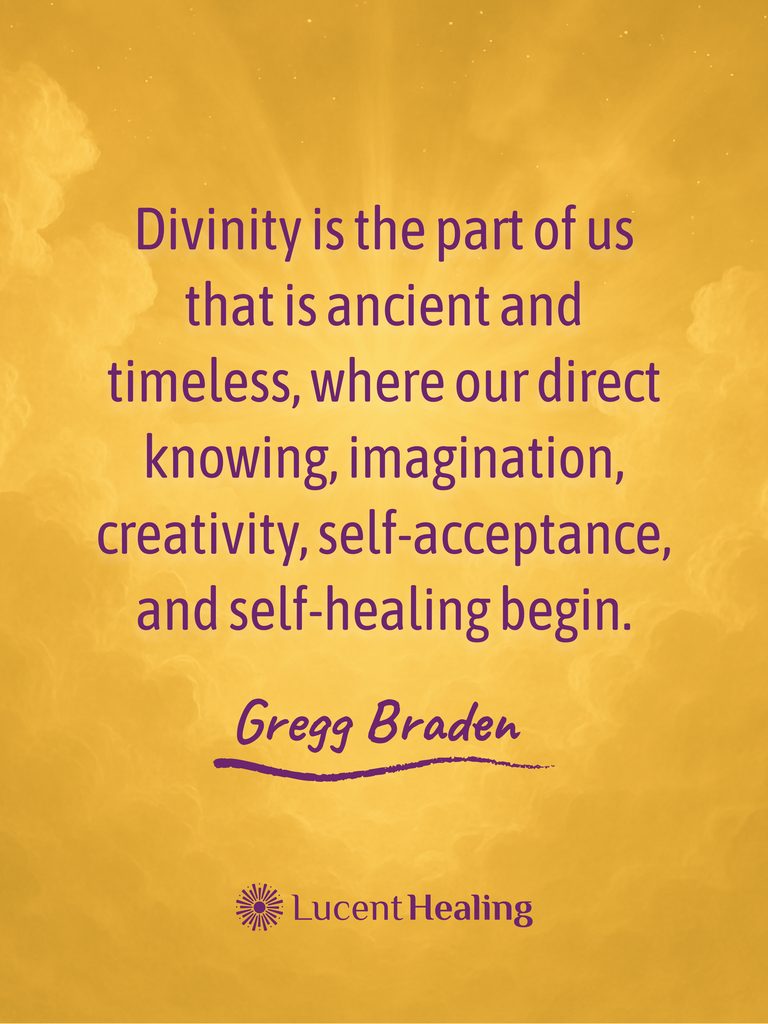
It’s where forgiveness begins.
It’s where healing begins.
And it frees us from the programming that tells us we’re small, powerless, helpless, or broken.
Because when we are no longer ruled by fear, we become much harder to manipulate.
We begin thinking for ourselves.
We become less vulnerable to the agendas of others.
Divinity becomes our superpower.
And the beautiful part is that it isn’t something we need to acquire.
We don’t receive it from somebody else.
A retreat, teacher, spiritual practice, healing session, or workshop may help us remember it.
But it was already there.
Remove the masks, the conditioning, the fear, and the stories about who you are supposed to be, and what remains?
According to Gregg:
Your divinity.
Divinity Versus Fear
Gregg framed one of humanity’s great spiritual challenges as the struggle between forces that affirm our divinity and those that encourage us to deny or forget it.
Rather than simply asking whether something is good or bad, perhaps another question is:
Does this affirm my humanity and divinity or diminish them?
That question becomes especially relevant as artificial intelligence becomes increasingly integrated into our lives.
Gregg cited concerns about excessive dependence on AI and cognitive outsourcing. His warning was not that technology itself is evil, but that technology should not replace capacities we stop exercising ourselves.
Think.
Create.
Imagine.
Remember.
Discern.
Feel.
Question.
Connect.
Use the technology. But don’t surrender yourself to it.
Gregg contrasted this with the technocratic idea that humans are essentially biological algorithms that can eventually be decoded, hacked, and manipulated. He referenced historian and author Yuval Noah Harari‘s widely discussed descriptions of humans as increasingly “hackable.”
Gregg’s response was essentially:
We are far more than hackable biological machines.
Carbon, Silicon, and the Human Heart
Gregg described humans as carbon-based “soft technology” and computers as silicon-based technology.
Computer chips may process information at extraordinary speeds, but they don’t possess human DNA. In Gregg’s framework, that means they don’t have the biological “antenna” through which human beings connect with the larger Field.
He described the human heart as a high-spin, pulsed acoustic and electromagnetic system whose rhythms change dynamically with our emotional state.
A computer clock produces a regular signal.
A human heartbeat is beautifully variable.
Alive.
Responsive.
Adaptive.
Gregg suggested that coherent human biology may have properties silicon systems cannot reproduce.
Whether interpreted scientifically, metaphorically, or spiritually, I loved the underlying message:
Don’t become so mesmerized by artificial intelligence that you forget the extraordinary intelligence already inside you.
Ancient Stories of Human Origins
From there, Gregg took us much further back in time.
We explored ancient Mesopotamian writings, including the Sumerian King List and the Babylonian creation epic known as the Enuma Elish.
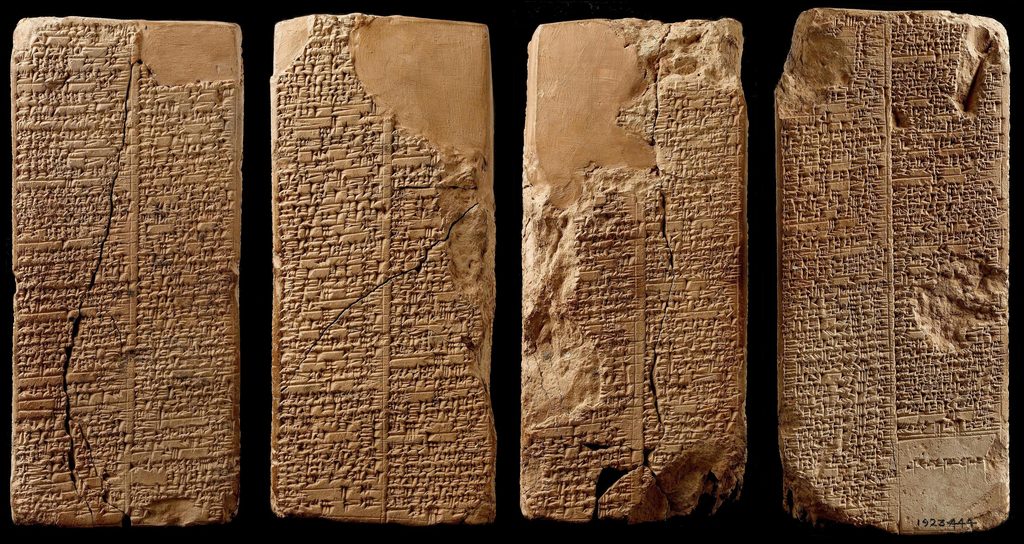
The Sumerian King List contains astonishingly long reigns for rulers said to have lived before a great flood. One ruler, Alulim, is traditionally assigned a reign of 28,800 years.
After the flood, the recorded reigns eventually become much more recognizable by ordinary human standards.
Gregg interprets these stories as possible memories of beings connected to humanity’s origins and entertained the idea that humans may represent some form of deliberately engineered or hybrid species.
These interpretations are speculative and not accepted by mainstream archaeology or genetics, but they form an important part of the larger story Gregg presented.
Even the 2012 film Prometheus came up because of its fictional exploration of similar questions:
What if humanity was intentionally created?
Is There a Message in Our DNA?
Gregg then moved into one of the day’s most fascinating, and most unconventional, ideas.
Ancient civilizations used several foundational writing systems to express concepts through both letters and numerical values. Gregg discussed gematria, the practice of assigning numerical significance to letters.
He then connected these systems with the atomic masses of elements associated with DNA.
Using hydrogen, nitrogen, oxygen, and carbon, and assigning numerical and ancient-letter correspondences, he presented a pattern he interprets as a message encoded within human biology:
God Eternal Within the Body.
He argued that similar patterns can be interpreted through four ancient root languages.
Ancient temples often reserved their innermost chamber for the Holy of Holies.
And 1 Corinthians 3:16 asks:
Do you not know that you are God’s temple?
Gregg connected that ancient idea directly to biology.
Instead of searching for the sacred exclusively outside ourselves, what if the sanctuary is also within us?
We have tens of trillions of cells.
And within almost every nucleated cell is the same fundamental biological message that makes each of us human.
Whatever interpretation we place upon it, there is something incredibly moving about that.
You Are the Prize
This became perhaps the biggest message I took from the entire day:
You are the prize.
Gregg argued that so much of human history has been shaped by systems that distract people from recognizing their own power – political systems, financial structures, religious institutions, fear, conflict, and now potentially technologies capable of replacing aspects of human cognition and biology.
He even connected present-day wars and geopolitical struggles with regions associated with ancient Sumerian civilization, alongside contemporary government discussions about unidentified anomalous phenomena and nonhuman intelligence.
Some of those connections are highly speculative.
But beneath all of them was a question that felt much more immediate:
What happens when human beings stop believing they’re powerless?
What happens when we recognize our capacity for compassion?
For intuition?
For creativity?
For forgiveness?
For healing?
For love?
Loving Ourselves, and the World, Whole
At the end of all the science, ancient texts, controversial theories, DNA, AI, extraterrestrials, Gnosticism, heart coherence, Sumerian kings, and questions about the future, the message I carried home was actually incredibly simple.
Remember who you are.
Maybe we don’t need every mystery solved before we begin doing that.
Maybe we don’t have to agree about religion.
Or spirituality.
Or consciousness.
Or extraterrestrial life.
Or human origins.
Or the nature of reality itself.
Perhaps the question we can ask right now is:
How would I live differently if I truly believed there was something extraordinary within me?
How would I love?
How would I heal?
How would I treat my body?
How would I treat another person?
How would I respond to fear?
How would I use technology?
How would I navigate uncertainty?
How would I show up in the world?
Gregg described this generation as a bridging generation.

We remember the world before AI became woven into everyday life. We remember more analog ways of communicating, thinking, creating, navigating, and connecting.
The generations coming after us may not.
That gives us an enormous responsibility.
As we move toward the technological visions being discussed for 2030 and beyond, perhaps progress shouldn’t only be measured by how powerful our machines become.
Perhaps it should also be measured by how deeply we preserve what makes us human:
Empathy. Compassion. Creativity. Intuition. Sovereignty. Connection. Forgiveness. Love.
And perhaps the most important technology we’ll ever learn to operate is the one we arrived here with.
Our bodies.
Our minds.
Our hearts.
Our consciousness.
Our humanity.
The final invitation I took away from Pure Human was this:
Do you love yourself enough to remember your light, your power, your sovereignty, and your divinity?
Because perhaps remembering ourselves is not only an act of personal healing.
Perhaps it is part of how we heal the world.
One line from the workshop captured that beautifully for me:
You, loving yourself whole, is you loving the world into peace.
After an entire day of having my mind blown, that’s the thought I keep coming back to.
We may be standing at the threshold of an entirely new world.
But before racing toward what comes next, perhaps we need to remember what was already within us all along.
You are the prize.
Continue Exploring Gregg Braden’s Work
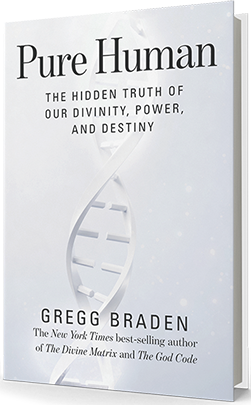
If the ideas from this workshop intrigue you as much as they intrigued me, Gregg Braden has written extensively about many of these themes throughout his books. His latest, Pure Human: The Hidden Truth of Our Divinity, Power, and Destiny, feels especially relevant to what he shared with us in New York. It explores what makes us uniquely human, and why preserving and understanding those qualities may become increasingly important as artificial intelligence and technology become more deeply integrated into our lives.
Other books that expand on many of the ideas discussed during the workshop include The Divine Matrix, The Wisdom Codes, The Science of Self-Empowerment (originally published as Human by Design), Deep Truth, The God Code, and Resilience from the Heart. Across his work, Gregg continually returns to questions about human origins, consciousness, the heart, healing, ancient wisdom, and the potential he believes exists within each of us.
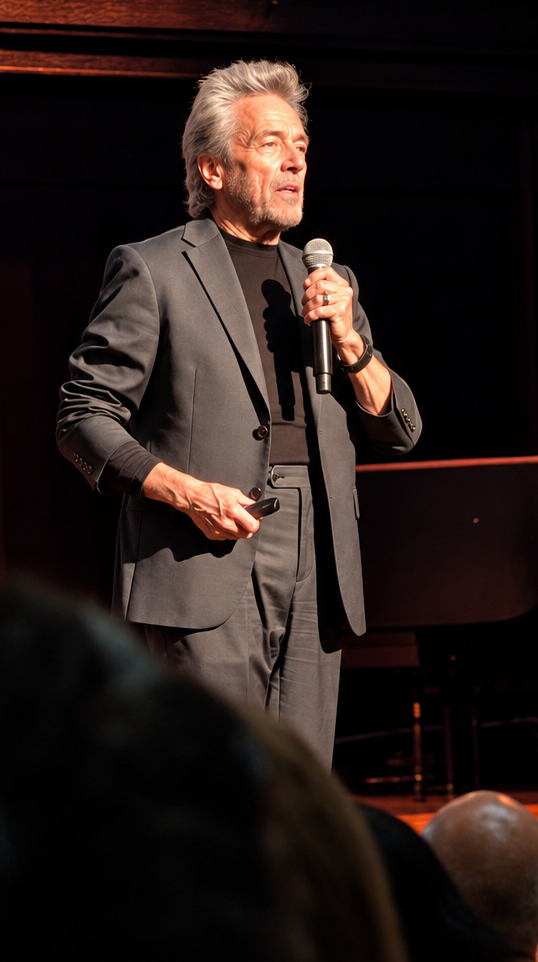
After spending a full day immersed in Pure Human, I left with far more questions than answers, and I think that was partly the point. The workshop invited us to question what we’ve been taught, remain open to possibility, and perhaps most importantly, look inward.
The question I keep coming back to is the one Gregg posed throughout the day:
Do you love yourself enough to remember your light, your power, your sovereignty, and your divinity?
Because perhaps remembering ourselves is not only an act of personal healing.
Perhaps it is part of how we heal the world.
You, loving yourself whole, is you loving the world into peace.
And after an entire day of having my mind blown, that’s the thought I keep coming back to.
We may be standing at the threshold of an entirely new world. But before racing toward what comes next, perhaps we need to remember what was already within us all along.
You are the prize.
For anyone interested in exploring his work further, you can find Gregg’s books on his official website.
Disclaimer: This article is for informational purposes only and does not constitute medical advice. Please consult a qualified healthcare professional regarding any medical concerns. The wellness services offered at Lucent Healing are intended to support overall well-being and complement conventional healthcare.